

Hey there! As a supplier of Raw Material Hopper Dryers, I often get asked a bunch of questions about what these machines can and can't do. One question that pops up quite a bit is, "Can a raw material hopper dryer be used for fibrous raw materials?" Well, let's dig into this topic and find out.
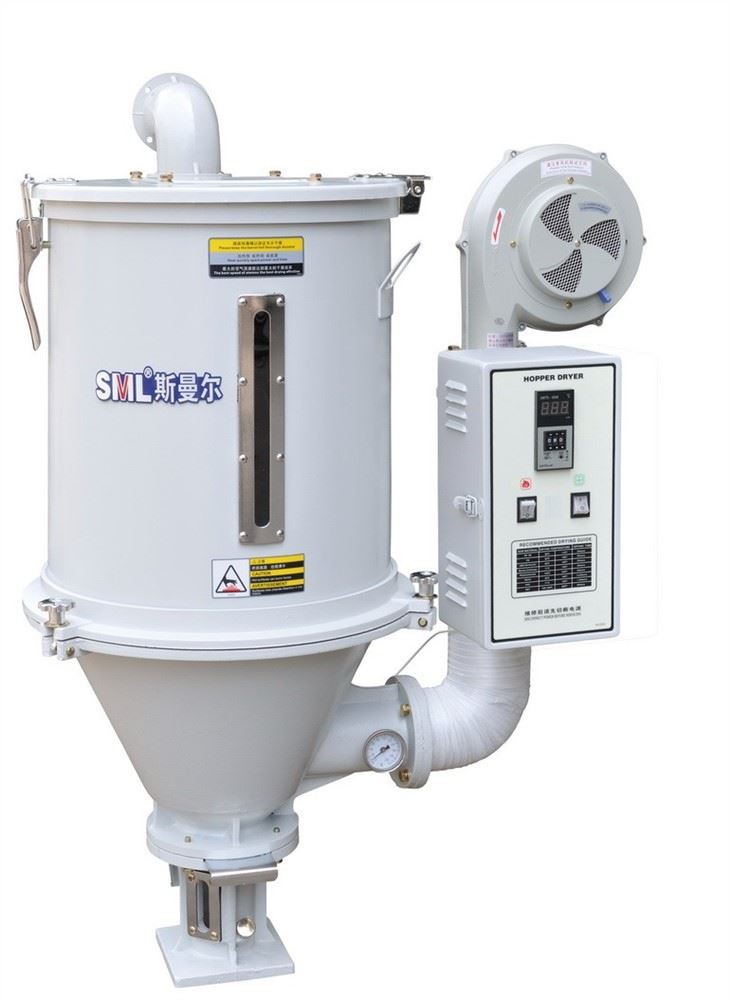
First off, let's talk a bit about what a raw material hopper dryer is. A Raw Material Hopper Dryer is a piece of equipment designed to remove moisture from raw materials before they're processed. It works by blowing hot, dry air through the hopper where the raw materials are stored. This helps to evaporate the moisture, leaving the materials dry and ready for the next step in the manufacturing process. You can also check out our Hopper Dryer page for more details on the general features and functions.
Now, when it comes to fibrous raw materials, things get a bit more complicated. Fibrous materials, like natural fibers such as cotton, wool, or synthetic fibers like polyester and nylon, have unique characteristics that can affect how they interact with a hopper dryer.
One of the main concerns with using a hopper dryer for fibrous materials is the potential for fiber entanglement. Fibers can easily get caught up in each other, especially when they're exposed to moving air. In a hopper dryer, the hot air is constantly flowing through the materials, which could cause the fibers to clump together. This not only makes it difficult to achieve uniform drying but can also lead to blockages in the dryer's air ducts and other components.
Another issue is the risk of fiber damage. Fibrous materials are often more delicate than other types of raw materials. The high temperatures used in a hopper dryer can cause the fibers to become brittle, lose their strength, or even melt in extreme cases. This can have a significant impact on the quality of the final product, especially if the fibers are being used in applications where strength and flexibility are important, like in textile manufacturing or composite materials.
However, that doesn't mean it's impossible to use a hopper dryer for fibrous raw materials. With the right adjustments and precautions, it can be done effectively.
One way to prevent fiber entanglement is to use a gentle airflow setting. Instead of blasting the materials with high - velocity air, a lower - speed airflow can be used to minimize the movement of the fibers and reduce the chances of them getting tangled. Some modern hopper dryers come with adjustable airflow settings, which allow you to customize the drying process according to the specific requirements of the fibrous materials.
Controlling the temperature is also crucial. For fibrous materials, it's important to use a lower temperature than what would typically be used for other raw materials. This helps to avoid overheating and damage to the fibers. Many hopper dryers have temperature control features that allow you to set and monitor the temperature accurately. You can also consider using a pre - heating or conditioning step to gradually raise the temperature of the fibers before they enter the main drying chamber.
In addition to these adjustments, it's also a good idea to use a filtering system in the hopper dryer. A filter can help to catch any loose fibers that might be carried by the airflow, preventing them from clogging the dryer and ensuring a more efficient drying process.
Let's take a look at some real - world examples. In the textile industry, where large quantities of fibrous materials are processed every day, some manufacturers have successfully used modified hopper dryers to dry natural fibers like cotton. By using a combination of low - speed airflow, precise temperature control, and effective filtering, they've been able to achieve good drying results without sacrificing the quality of the fibers.

Another industry where hopper dryers can potentially be used for fibrous materials is the composite materials industry. In this case, the fibers are often combined with resins to create strong and lightweight materials. Drying the fibers before the resin is added can improve the bonding between the two components, leading to a better - quality composite. However, again, careful control of the drying process is essential to avoid fiber damage.
It's also worth mentioning that there are alternative drying methods available for fibrous materials. For example, a tumble dryer or a conveyor dryer might be more suitable in some cases. These types of dryers can provide a more gentle and uniform drying environment for fibrous materials, reducing the risk of entanglement and damage. But they also have their own limitations, such as higher energy consumption and larger space requirements.
If you're in an industry that deals with fibrous raw materials and you're considering using a hopper dryer, it's important to do some testing first. You can start by running a small - scale trial with a sample of your fibrous materials in the hopper dryer. Monitor the results closely, looking for signs of fiber entanglement, damage, and uniform drying. Based on the results of the trial, you can then make any necessary adjustments to the dryer settings or consider other drying options.
As a supplier of Raw Material Hopper Dryers, we understand the challenges that come with drying different types of raw materials, including fibrous materials. Our team of experts can provide you with guidance on how to optimize the use of our hopper dryers for fibrous materials. We can also offer customized solutions to meet your specific needs, whether it's adjusting the airflow, temperature control, or adding a filtering system.
If you're interested in learning more about our hopper dryers or have any questions about using them for fibrous raw materials, don't hesitate to reach out. We're here to help you make the most of your raw material drying process and ensure the quality of your final products. And while you're at it, you might also want to check out our Mold Temperature Controller if you're involved in injection molding or other processes where temperature control of molds is important.
In conclusion, using a raw material hopper dryer for fibrous raw materials is possible, but it requires careful consideration and adjustment. By understanding the unique characteristics of fibrous materials and taking the necessary precautions, you can achieve effective and efficient drying while maintaining the quality of the fibers. If you think a hopper dryer could be a good fit for your fibrous raw material drying needs, we'd love to have a chat with you and explore the possibilities together.
References
- Textile Drying Technology Handbook, Various Authors
- Composite Materials Manufacturing and Processing, Industry Research Reports


