

Mold
We specialize in manufacturing and exporting injection molding machines that have a shot weight of 60-10000 grams and a clamping force of 60- 1600 tons.
Why Choose Us
Quality Guaranteed
The most notable is the ISO9001 Quality Certificate (Registered by Germany TUV Management Service). Our company is accredited for meeting international standards in management responsibility, quality control, design control, process control, customer service, and other key criteria.
Global Sales Network
Our machines are sold to more than 20 provinces in China and exported to the Middle East, Southeast Asia, Russia, Middle Asia, and Africa.
Rich Experience
We have decades of knowledge and experience to execute precise manufacturing, our high-quality SZ series automatic computerized injection molding machines and their downstream equipment using imported hydraulic and electrical seals.
Wide Product Range
Our products include general injection molding machines, servo injection molding machines, bottle cap injection molding machines, bucket/crate injection molding machines, blow molding machines, plastic mould, etc.
-
 Plastic Fruit Crate MoldPlastic Fruit Crate Mold is a tool in the plastic processing industry that is matched with plasticAdd to Inquiry
 -
 Pvc Pipe Fitting Injection MoldIf you are looking for high-quality pipe fitting molds, Pvc Pipe Fitting Injection Mold will beAdd to Inquiry
 -
 Pvc Pipe Fitting Injection MoldA PVC pipe fitting injection mold is a custom-engineered tool used in the production of PVCAdd to Inquiry
 -
 Plastic Water Bottle MoldPlastic Water Bottle Mold is designed and developed with advanced CAD/CAE/CAM computer systemAdd to Inquiry
 -
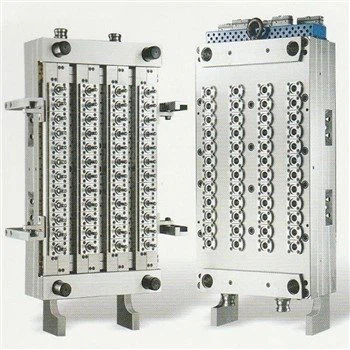 8 Cavity Pet Preform Mould8 Cavity Pet Preform Mould is made of high-quality mold steel, with a metallic luster, smooth andAdd to Inquiry
 -
 Plastic Milk Crate MoldPlastic Milk Crate Mold is an equipment for producing milk boxes through compression molding,Add to Inquiry
 -
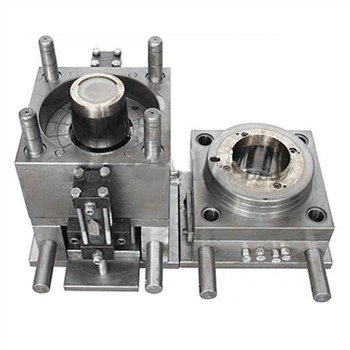 5 Gallon Bucket MoldOur company is a modern company integrating product development, mold design, mold manufacturing,Add to Inquiry
 -
 Plastic Paint Bucket MoldOur company has a good working environment. All kinds of professional high-end manufacturingAdd to Inquiry
 -
 Bottle Cap Injection MoldBottle Cap Injection Mold is made of high-quality mold steel, with a metallic luster, smooth andAdd to Inquiry
 -
 Pet Preform Hot Runner MouldsPet Preform Hot Runner Moulds are manufactured by us using advanced computer systems and advancedAdd to Inquiry
 -
 Pet Preform Injection MoldingWe are an integrated service enterprise integrating product design, production and sales. TheAdd to Inquiry


- Tel: +86-512-58451000
- Mob: +86-13601562785
- Email: cch@shenzhoumac.com
- Add: Fenghuang Town, Zhangjiagang City, Jiangsu Province, P.R.China
Mold is a variety of molds and tools used in industrial production to obtain required products by injection molding, blow molding, extrusion, die casting or forging molding, smelting, stamping and other methods. It is a tool for making molded articles. This tool is composed of various parts, and different molds are composed of different parts. It mainly realizes the processing of article shape by changing the physical state of the formed material.
Mold is a tool for making a blank into a workpiece with a specific shape and size under the action of external force. It is widely used in blanking, die forging, cold heading, extrusion, pressing of powder metallurgy parts, pressure casting, and compression molding or injection molding of engineering plastics, rubber, ceramics and other products. The die has a specific contour or cavity shape. The blank can be separated (blanking) according to the contour shape by using the contour shape with cutting edge.
Definition of Mold
Mold is used in industrial production to obtain required products by injection molding, blow molding, extrusion, die casting or forging molding, smelting, stamping, and other methods. It is a tool for making molded articles. This tool is composed of various parts, and different molds are composed of different parts. It mainly realizes the processing of article shape by changing the physical state of the formed material. The die has a specific contour or cavity shape, the blank can be separated (blanking) according to the contour shape by using the contour shape with a cutting edge.
Benefits of Mold
Detailed Features and Complex Geometry
The molds are subjected to extremely high pressure. As a result the plastic within the molds is pressed harder against the mold compared to any other molding process. Due to this excessively high pressure, it is possible to add a large amount of details into the design of the part. Furthermore, due to high pressure during the molding process, complex and intricate shapes can easily be designed and manufactured which otherwise would have been too complicated and expensive to manufacture.
High Efficiency
Once the injection molds have been designed to the customer’s specifications and the presses pre-programmed, the actual molding process is very quick compared to other methods of molding. Plastic injection molding process hardly takes times and this allows more parts to be manufactured from a single mold. The high production output rate makes plastic injection molding more cost effective and efficient. Typically, hot-runner ejection mold systems produce parts with more consistent quality and do so with faster cycle times, but it’s not as easy to change colors nor can hot runners accommodate some heat-sensitive polymers. Learn more about the key differences between hot-runner and cold-runner systems.
Enhanced Strength
In plastic injection molding, it is possible to use fillers in the molds. These filler reduce the density of the plastic while it being molded and also help in adding greater strength to the part after it has been molded. In fields where parts need to be strong and durable, plastic injection has an option that other molding processes do not offer. One of the major advantages of using plastic injection molding for manufacturing parts is the ability to use different types of plastic simultaneously. This can be done with the help of co-injection molding, which takes away the worry about using a specific type of plastic.
Automation to Save Manufacturing Costs
Plastic injection molding is an automated process. A majority of the injection molding process is performed by machines and robotics which a sole operator can control and manage. Automation helps to reduce manufacturing costs, as the overheads are significantly reduced. Furthermore, with reduced labor force the overall cost of manufacturing the parts is reduced and this cost saving can easily be passed on to the customer. Furthermore, automation allows for making precise and accurate injection molds. Computer aided design (CAD) and computer aided manufacturing (CAM) allow close tolerances during the making of the molds.
Types of Mold

Low/High Cavitation Mold
Single cavity molds are designed to produce one part per cycle. They are a cost-effective approach when part volumes are low as they are less expensive to build. They also have a shorter lead time. The disadvantage is a higher piece part cost in molding production. Multi-cavity molds produce more parts per cycle. The major advantages are increased capacity and lower piece part costs as more parts can be produced within a comparable cycle time.

Family Mold
A family mold has a single mold base but two or more different cavities, allowing for the production of two or more different parts. All the parts can either be produced simultaneously or shut-offs can be used to isolate production to selected cavities. For best results in molding, the parts should be similar in size, shape, resin, and anticipated volumes, especially if the intention is to run all parts at the same time. Automation may be necessary to separate the pieces during or after production. If mold cost is a driving factor and volumes are low, a family mold can provide cost savings and versatility.

Unscrewing Molds
Unscrewing molds are the most common method of creating threaded holes within a plastic part. These molds are automated with small drive systems (rack & pinion, electric, or hydraulic motors) that are tied into the process and rotate threaded features to extract undercut features. Threads can be internal or external, and the extraction is tied into the press cycle. Multi-shot / multi-component tooling allows a product designer to use two or more dissimilar materials on the same part within the same cycle. There may be a variety of reasons why differing materials would be desired, including different physical properties or simply appearance. These molds often utilize multiple manifolds within one tool. Multi-shot tooling can be an elegant solution for complicated products, and can be used for color changes within a product line.

Hot Runner Molds
Hot runner tools use a temperature-controlled manifold to greatly reduce or eliminate runner scrap from the cycle. Injection points can be outside the part or directly into the part. This can greatly improve cycle times, as a sprue or runner system is often a determining factor on the mold cycle. And, eliminating the runner saves expensive wasted material. Hot runner molds require a temperature controller for the press they run in, with the controller being sized to match the manifold in the mold. Some mold maintenance costs are higher on a hot runner tool, but they often pay for themselves in the long run through material and cycle time savings. This is particularly true of applications that require expensive engineering grade resins or high annual volumes.

Cold Runner Molds
Cold runner molds are good examples of more traditional tooling in that they utilize sprues and runners to gate into the part. This is typically the least complicated form, however may result in larger amounts of wasted material and slower running cycles. Depending on the application, a percentage of wasted material may be re-ground and re-processed for future use, though this could affect the physical properties of the resin. Dealing with more advanced, high-cost materials such as engineering and medical grade resins or the inability to use regrind in your application may lend itself to using a more efficient hot runner mold for your project.

Insulated Runner Molds
Insulated runner tools resemble more traditional cold runner molds but utilize cartridge heaters or other methods of heating to form a surrounding layer of molten resin, forming an insulated “cull” to create a similar effect to a hot runner system. This approach is less expensive than using a hot runner which requires a temperature controller and also has the benefit of allowing for faster color and material changes. However insulated runners are not suitable for all types of materials and typically do not work well with more demanding engineering grade resins.
Applications of Mold
Food and Beverage
When it comes to injection molding, the food and beverage industry relies heavily on plastic materials to create product packaging and containers. Since this industry must adhere to strict sanitization and safety regulations, plastic mold is an obvious fit to ensure various specifications are achieved, including BPA-free, FDA-certified, non-toxic and GMA-safe regulations. From components as small as bottle caps to the trays used in TV dinners, injection molding provides a one-stop-shop for all the food and beverage industry’s packaging and container needs.
Automotive Parts
Many of the parts found on modern automobiles require a broad range of intricately designed features to function correctly. For this reason, many of the leaders of the automotive industry have turned to plastic injection mold to develop, plan, and manufacture the parts they need. Typical injected molded elements include bumpers, dashboards, and smaller pieces, such as cup holders and mirror housings.
Medical & Pharmaceuticals
As many medical products must be shatter-proof, non-porous, and perfect in shape, plastic mold is critical for medical and pharmaceutical production. As a high volume producer, the medical industry can benefit from injection molding’s decreased production times and affordable production materials while still achieving high-quality medical-grade products. Medical and pharmaceutical parts created with injection molding can range from pill bottles to x-ray components.
Household Products
With just a simple trip to your kitchen, there is a good chance that you will find an injection molded product or part. There is no denying that this industry would not be where it is today without injection molding. Like other industries, household products can be made more affordable by investing in large production runs for shipping to retail locations worldwide.
Agriculture
Historically, it was typical for the agriculture industry to invest in metal-made components simply because they provided a durable solution. Now, reinforced plastic options have gained favor due to new plastic material characteristics like UV-resistance, impact-resistance, humidity resistance, and much more. The ability to create durable agriculture products that stand up to the elements on a farm makes plastic injection mold an obvious fit for the agriculture industry, from feeding troughs to specialized harvesting components.
Electronics
Although many people see electronic components as a predominately metal piece of machinery that uses electricity to function, enhancing system longevity with corrosion-resistant plastic housings improves overall performance. As you may have guessed, manufacturing housings through the plastic mold processes is preferred. The computer mouse you may be using right now, to the television in your living room, likely have some components created using plastic injection molding.
Components of Mold
Hopper
The hopper is the component where the plastic material is poured before the injection molding process can begin. The hopper usually contains a dryer unit to keep moisture away from the plastic material. It may also have small magnets to prevent any harmful metallic particles from entering the machine. Next, the plastic material is poured into the following major component from the hopper, called the barrel.
Barrel
The barrel, or the material tube and barrel, heats the plastic material into a molten state to let plastic flow through the barrel. The screw inside injects the plastic into molds or cavities in the clamping unit. Therefore, the temperature in the barrel needs to be adequately regulated to maintain the appropriate temperature for different types of plastic material. The function of the cylinder is to transport, compact, melt, agitate and press the plastic before it reaches the injection mold.
Screw Motion or Reciprocating Screw
The screw moves plastic through the barrel. First, as the pellets are fed from the hopper into the barrel, the screw is rotated, driving the material forward while more pellets are added. Second, the flights provide a continuous mixing action that distributes heat evenly throughout the mass. This mixing also helps to purge the mechanism of different materials and any colors left behind from an earlier production runs on the same injection molding machine. The reciprocating screw is responsible for providing most heat to the thermoforming plastic. This is because the diameter of the screw decreases as it approaches the tip. As a result, plastic pellets are pulled along by the flights, compressed into a tighter space, and cut by turning flights. This action creates friction that mixes the pellets uniformly and heats them to the proper temperature.
Heaters
An injection molding machine can have different types of heaters for maintaining temperatures in conduits and nozzles and heating molds and platens. A heating element can be attached to the barrel and used to melt the hopper's molding material to become liquified material. Some of the different types of injection molding heaters include band heaters, coil/nozzle heaters, cartridge & strip heaters, and insulated cloth heating jackets.
Nozzle
The nozzle is an injection molding component located at the bottom of the machine’s ejector system. It pushes liquified plastic out of the barrel and into the mold. The nozzle rests against a surface on the mold called the sprue bushing and locating ring, which helps center the nozzle on the mold. Today, nozzles can provide a variety of functions, including filtering, mixing, and shut-off of melt flow. Nozzle filters can minimize the clogging of gates and hot runner tips from foreign material or contamination in the melt stream. Mixing nozzles can enhance the dispersion and mixing of additives, improving molded part quality while reducing the volume and cost of additives. Shut-off nozzles can reduce drool in injection molding operations where the press is frequently disengaged from the mold, such as in many two-shot molding applications.
Extraction Pins or Ejector Pins
Ejector pins are vital in creating parts. They are an essential component of the ejection system in molds, which determines the outcome of products in an injection molding process. The metal injection mold comprises two parts: A and B sides. After the molten material in the mold is cooled, both parts are separated to remove the solid plastic. Injection molds are built so that when they are opened, the A-side half is lifted, leaving the formed part and the B-side. Extraction pins are found on the B-side half of the injection mold, where they push the formed part out of the mold (or extract it). The pin mark is commonly imprinted on finished products as a dent.
Materials Used in Molding


Acrylonitrile Butadiene Styrene (ABS)
ABS stands for Acrylonitrile butadiene styrene. This is a typical thermoplastic type of injection moulding materials that’s in pipes, automotive body parts as well as keyboards. Along with its good properties, ABS has many benefits, for example, having high impact resistance makes it hard to break due to the material being sturdy whilst being lightweight. It also can withstand heat and reach high temperatures.
Nylon
Nylon, also known as polymer fabric is one of the most versatile injection moulding materials due to its different nature. It is used for various apparel along with car tires, fishnet, and electrical applications like insulators. With Nylon, it has many advantages as an injection moulding material. One is that it has good abrasion resistance making it last longing and elastic in nature. On the other hand, the disadvantages are that the material tends to easily melt. Which makes it hard to make use of the material in liquid state. It also absorbs water from the moisture in the air or directly.
High-Density Polyethylene (HDPE)
High-density polyethylene is injection moulding materials which is a resilient, solid plastic thermoplastic mainly in plastic bottles, shampoo bottles, toys, recycling bins as well as flower pots. The main advantage of using HDPE is that it’s affordable whilst also having stiff material with high strength. Whereas, the disadvantages are that HDPE is highly flammable and it’s not biodegradable making it hard to get rid of. In addition to this, high-density polyethylene can not be composed and has poor weathering.
Low-Density Polyethylene (LDPE)
In comparison to HDPE, Low-density polyethylene is a much softer and more flexible material. Low-density polyethylene is used as injection moulding materials to create bottles, plastic bags and plastic wraps as well as playground slides. The benefits of using this material are its moisture and chemical resistance. Plus, it has low cost and is food-grade,so it’s safe to use for food content. Moreover, the disadvantage of low density is that it can be flammable and has poor temperature capability making it dangerous near a fire. In addition to this, it can also be difficult to bond and has poor weathering resistance.
Polycarbonate (PC)
Polycarbonate is a strong hard injection moulding materials used in engineering and tends to be transparent. The material PC is in compact discs, safety hamlets, bulletproof glass and other electrical and telecommunication hardware. The advantages is that it is nearly unbearable as its bullet resistance and is high quality. It also protects against discolouring however, after a long time of UV light exposure it can turn yellow. Additionally, it can be sensitive to scratching.
Polyoxymethylene (POM)
POM is plastic injection moulding materials which is also identified as acetal, this is a hard tough material. Acetal can be used to produce automotive parts . Other usage of acetal is zippers, fan wheels, door handles or lock systems and including insulin pens. The advantages are it has a high gloss surface and is resistant to organic solvent and chemicals except for phenol. The disadvantages are that it is difficult to bond, has poor resistance to acid and it is vulnerable to UV.
Acrylic Poly (Methyl Methacrylate) (PMMA)
Among these listed injection moulding materials ,Acrylic comes in a lightweight sheet; it is common as an alternative to glass. There is a large range of products that PMMA uses, for example, windows, lenses for glasses and rear lights for vehicles. The advantages of acrylic is that it can stand against weathering and has high gloss and good abrasion resistance. Having said that, the disadvantages are, it is limited to heat resistance and can crack under a load of pressure.
Thermoplastic Polyurethane (TPU)
TPU has many different properties such as elasticity, transparency and resistances. Its traits are its soft and hard segments. The main use for this type of plastic is cases for mobile phones as well as keyboard protectors and footwear. The advantage is that polyurethane has outstanding toughness and flexibility and is resistant to impacts such as tears whilst also being resistant to grease and oil. This makes it good dimensional stability due to its minimal responses to tears over time.However, the disadvantages is that, it is not cost-effective in comparison to other alternatives. It also has short shelf life.
Thermoplastic Rubber (TPR)
Thermoplastic rubber, in other words elastomer, is another injection moulding material. It contains a mix of plastic parts and rubber. Used for automotive parts such as wires and cable insulation and other applications as a home appliance. The advantages are the ability to stretch and come back to its normal shape. It is also environmentally friendly due to not containing non-toxic recyclable plastics, reducing the environmental footprint. Moreover, the disadvantages are it can be quite costly to get this material. Even though the material can go to high temperature, it would mean that it can lose its rubbery property.
Polypropylene (PP)
Finally, one of the last injection moulding materials we are looking at is Polypropylene, otherwise known as polypropene. Polypropene is a thermoplastic polymer that is used in many various applications and it also holds largest revenue share of 34.2% in 2020 . It’s mostly common in the food storage and packing industry because of the fact that it does not mix chemicals with food products. Other benefits of this material are its high impact strength and good moisture resistance. Whereas, the disadvantages are that it can get degraded by UV, losing 70% of its strength by the sun. In addition to this, it can be flammable due to the chemical containing.
Maintenance Tips for Mold
The injection mold condition directly affects the quality of a plastic component. Out-of-spec products caused by a variety of issues that include residual material left in the mold, rust, cracks, or other mold damage result in rejects. In a world that depends on quick turnaround times for parts, preventative maintenance takes a back seat. Neglecting maintenance leads to defects and production of inferior parts, or worse, early retirement of a mold.
Regularly scheduled maintenance of cleanings and inspections needs to occur after the mold runs a set number of cycles. Cleaning and maintenance details are critically important to record. The documentation enables molders to establish standard instructions for mold cleaning, maintenance, and even repair. This documentation shows specific instructions for maintaining the tools like cleaning agents to use, and procedures to follow for each mold.
Moisture, extreme temperatures, and pressure take their unique toll on a tool. Rust erodes steel, and injection molds are not immune to this, especially when working 24/7 under heat, pressure, water, and of course, exposure to oxygen. Rust takes no time at all to eat away at a mold. A regularly scheduled cleaning to remove rust is necessary, to avoid the mold-breaking down or producing out-of-spec parts.
Not only is preventative mold maintenance necessary, but also performing the correct tasks. Basic preventative maintenance steps keep your tool producing parts, see list below.
- Inspect all aspects of the injection mold, including runners, cavities, gates, plates, and sprues regularly for early identification of potential problems.
- Use compressed air to remove any unwanted materials such as dust from the mold.
- Clean all mold components using a non-toxic solvent. Reference the article, Injection Mold Tooling Cleaning Technologies.
- Add lubrication, and in most cases, rust preventative to the injection mold.
- Look over hot runners and water lines for potential issues since these are often the cause of mold performance problems. Water lines should be flushed and drained to remove unwanted moisture.
- When storing an injection mold, the mold needs to be completely dry. Plates should be separated, the system properly cleaned and lubricated, and components, such as pins, or springs, tightened or replaced. Ensuring the mold returns to service quickly when needed.
Speed to Build
Building a brand new mold is often one of the longest lead times in your project. Molds can be built in just a couple of weeks or mold building can take several months. When it comes to the speed of mold build, evaluate your true project needs rather than just how quickly it can be built. If you are still trying to prove your concept, you can likely expect a prototype or R&D mold to take 3-6 weeks. If you are ready to run high-volume, a production-ready mold may take upwards of 12-18 weeks.
Cost of the Initial Mold Build
An R&D mold for a simple part is going to be much cheaper than a multi-cavity, production-level mold. If you believe you'll need multiple design iterations, running through several R&D molds might be your best bet, but relying on a $5,000 mold for longevity is going to leave you with quality issues and a headache in the long run. Several factors impact the cost of your mold, including mold classification (more on that later), the complexity of your part(s), mold cavitation, and specialty molding features. A responsible injection molding partner will help you understand what goes into your mold building price, and help you get the most bang for your buck.
Project Development Stage
Where you are in your project development stage is a critical factor in mold selection. Typically, it is broken into: Design, Prototype, Pre-Production, Production, and High-Volume. In the early stages, you can typically expect a lower cost, lower construction quality mold. That is because these stages often include multiple design changes and revisions. Being realistic about where you are (and where you want to go) in your product development will save you time and money.
Part Geometry or Complexity
Certain part geometry and features require different mold making approaches. As such, some parts have to be made using hardened steel (or steel inserts) rather than the softer materials typically used in R&D tooling, like aluminum. Additionally, material selection will also play a role in mold making. Some plastic materials do not interface well with certain mold materials. For instance, a part made with glass-filled nylon, even in prototype, will need to be molded in a higher quality mold than a part made in standard polypropylene.
Quantity of Parts to be Produced
Finally, you'll want a general baseline for the number of parts you want to produce from this mold. Is this a "test" mold that will only run a few hundred parts? Or, are you hoping this will be the mold that takes you into millions or tens of millions of parts? You may have a firm design that is unlikely to change, but still only need an R&D or pre-production mold because you only expect to need a few thousand parts. Conversely, you may have a design that may change but is highly complex with fine features. A good option is a mold that has hardened steel inserts, which costs more, but allows the flexibility of change until you firm up your final design
Certification
Our company is accredited for meeting international standards in management responsibility, quality control, design control, process control, customer service, and other key criteria.

Our Factory
Located in Zhangjiagang City of China, our company is near many big cities of Shanghai, Nanjing, Suzhou, Wuxi, and Nantong, with convenient traffic.


Ultimate FAQ Guide to Mold
Q: What are injection molds made of?
Q: What is the life of mould?
Q: Why are molds so expensive?
Q: What is the working principle of injection mould?
Q: What are injection molds used for?
Q: What is the maintenance of injection molds?
Basic maintenance before and after every cycle.
Clean mold cavities with a gentle solvent.
Use compressed air to blow out the dust, debris, and water.
Ensure the dryness of the mold.
Check runners and all other parts of the mold.
Check mold hardware and connectors.
Q: How can I improve my injection molding process?
Q: How often should injection molds be cleaned?
Q: Is injection molding hard?
Q: What can I do with old injection molds?
Q: How heavy is an injection mold?
Q: How are injection molds polished?
Q: Is injection moulding profitable?
Q: Can you injection mould hollow objects?
Q: Do injection molds wear out?
Q: Can PVC be Injection Molded?
Q: Do injection molds need vents?
Q: How thick is you mould?
Q: Can you mold large parts?
Q: How much does it cost to have a small injection mold?
Q: What is mold?
Q: What are the factors for selecting mold material?
We're well-known as one of the leading mold manufacturers and suppliers in China. We warmly welcome you to or wholesale customized mold for sale here from our factory. All products made in China are with high quality and competitive price.
1kg plastic molding machine, plastic bottle blow molding machine