

Plastic Bucket Mold
We are specializing in manufacturing and exporting injection-molding machines, with the shot weight 60-10000grams and clamping force 60-1600tons. Applying its decades of knowledge and experience on plastic injection molding machine, executing most modern design and precise manufacturing, using famous imported hydraulic, electrical, sealing parts, we make SZ series automatic computer injection molding machine and its downstream equipment. They have the features of high quality, high reliability, stable working and attractive price-performance ratio.
Why Choose Us?
High Quality
Our products are manufactured or executed to very high standards, using the finest materials and manufacturing processes.
Competitive Price
We offering a higher-quality product or service at an equivalent price. As a result we have a growing and loyal customer base.
Rich Experience
Our company has many years of production work experience. The concept of customer-oriented and win-win cooperation makes the company more mature and stronger.
Global Shipping
Our products support global shipping and the logistics system is complete, so our customers are all over the world.
After-sale service
Professional and thoughtful after -sales team, let you worry about us after -sales Intimate service, strong after -sales team support.
Advanced Equipment
A machine, tool or instrument designed with advanced technology and functionality to perform highly specific tasks with greater precision, efficiency and reliability.
-
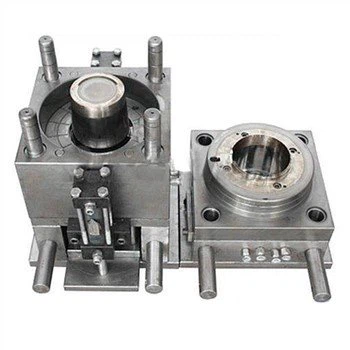 5 Gallon Bucket MoldOur company is a modern company integrating product development, mold design, mold manufacturing,Add to Inquiry
-
 Plastic Paint Bucket MoldOur company has a good working environment. All kinds of professional high-end manufacturingAdd to Inquiry


- Tel: +86-512-58451000
- Mob: +86-13601562785
- Email: cch@shenzhoumac.com
- Add: Fenghuang Town, Zhangjiagang City, Jiangsu Province, P.R.China
Plastic Bucket Mold is a tool for plastic processing industry and plastic molding machine to give plastic products a complete shape and precise size. Due to the variety of plastics and processing methods, the structure of plastic molding machines and plastic products are different, so there are various types and structures of plastic molds. Ours is designed for producing plastic pails, and it can make the resulting plastic pails highly uniform in shape.
Our Plastic Bucket Mold is made of metal in its entirety and is very strong and durable. It consists of several groups of parts, and this assembly contains the molding cavity. During injection molding, the mold is clamped to the injection molding machine and the molten plastic is injected into the molding cavity where it cools and sets. The upper and lower molds are then separated and the product is ejected from the cavity and out of the mold by an ejector system. Finally, the mold is closed again for the next injection, and the whole injection process is cyclic.
What is Plastic Bucket Mold?
A plastic bucket mold is a tool used in the manufacturing process of plastic buckets. It is typically made from high-grade steel or, less commonly, aluminum and is designed to withstand the pressures and temperatures involved in the production methods, such as injection molding or blow molding.
The mold consists of two main parts: the cavity side and the core side. When closed under pressure within an injection molding machine, these two halves come together to form the complete interior shape of the bucket. The cavity side creates the exterior surface of the bucket, while the core side forms the interior. The mold also includes channels for the introduction of plastic material, cooling systems to solidify the injected plastic, and mechanisms for ejecting the finished bucket from the mold.
Mold design takes into account the desired size, shape, thickness, and features of the bucket, such as handles or reinforced edges. Precision is crucial in mold construction to ensure that the final product meets the specified dimensions and tolerances. High-quality molds can produce thousands to millions of units before needing significant maintenance or repair.
Benefits of Plastic Bucket Mold
Consistency and Quality: Molds are designed to produce buckets with consistent dimensions, shapes, and wall thicknesses. This ensures that every bucket meets quality standards, which is particularly important for applications that require precise container sizes, such as mixing or storing chemicals.
Efficiency: Plastic molding processes, especially when automated, allow for rapid production rates. Buckets can be molded in seconds, and the quick cycle times enable high output volumes with minimal downtime.
Material Savings: Molds are designed to minimize the amount of excess plastic, known as flashing, which is trimmed away. By optimizing the design, manufacturers can save on raw material costs and reduce waste.
Versatility: Plastic molds can be easily modified or re-engineered to accommodate different sizes, shapes, or features, providing flexibility in product design and adaptation to changing market demands.
Reduced Labor: Once the mold is created, it can be integrated into automated molding equipment, which reduces the need for manual labor in the manufacturing process. This leads to lower overall operational costs.
Durability: Well-made steel or aluminum molds are durable and can last for millions of production cycles without significant wear, offering a good return on investment over time.
Branding and Customization: Molds can be designed to incorporate logos, labels, or other branding elements directly into the plastic bucket during the molding process. This allows for customization at scale without the need for additional labeling steps.
Safety and Cleanliness: Plastic molds can be designed to be smooth and easy to clean, which is particularly important in industries where contamination control is critical, such as food service or medical supply.
Lightweight Production: Plastic buckets produced from molds are lightweight, making them easier and cheaper to transport compared to heavier materials like metal.
Fast Prototyping: With modern CNC milling and 3D printing technologies, prototypes of molds can be created quickly, allowing for fast iteration and refinement of product designs before full-scale production begins.
Types of Plastic Bucket Mold
Injection mold
This is the most common type of mold used for plastic bucket production. It involves injecting molten plastic into the mold cavity to create a solid bucket.
Blow mold
In a blow mold, a parison (a tube of heated plastic) is placed inside the mold and then inflated to form the bucket. This method is often used for making large or thin-walled buckets.
Rotational mold
A rotational mold is filled with plastic resin, rotated inside an oven, and then cooled to form the bucket. This process is suitable for producing hollow buckets.
Extrusion mold
Extrusion molds are used in the extrusion process where plastic is forced through a die to create a continuous profile, which can then be cut to the desired length to form buckets.
Stack mold
Stack molds allow for the production of multiple buckets in a single mold cycle, increasing efficiency and productivity.
Custom mold
Custom molds are designed and manufactured to specific customer requirements, allowing for unique bucket shapes, sizes, or features.
Application of Plastic Bucket Mold

Construction Industry: Plastic pails and buckets are used to store tools, paint, and building materials. They are also used for mixing small amounts of concrete or plaster on site.
Agriculture: Buckets are used for carrying water, fertilizers, pesticides, and seeds. Their lightweight and leak-resistant properties make them ideal for agricultural tasks.
Home Improvement: Common household items, such as cleaning supplies, gardening tools, and DIY projects, are stored in plastic buckets.
Food Service: Food-grade plastic buckets are used for storing and transporting food products, including condiments, sauces, and ingredients. They must comply with strict hygiene and safety regulations.
Chemical Industry: Due to their resistance to many chemical substances, plastic buckets are used for storing and transporting hazardous or corrosive materials in safe and secure containers.
Automotive Industry: Plastic buckets serve as convenient containers for storing automotive fluids, spare parts, and tools during maintenance and repairs.
Waste Management: Plastic pails are used for collecting and sorting recyclable materials, such as paper, plastic, and glass.
Medical And Pharmaceuticals: Buckets made from medical-grade plastics are used in healthcare settings for waste disposal, equipment storage, and pharmaceutical packaging and transportation.
Personal Care Products: Cosmetics, hair care, and other personal grooming products are often packaged in plastic pails or buckets for retail sale.
Industrial Manufacturing: Plastic buckets are used for storing adhesives, sealants, lubricants, and other industrial materials.

Components of Plastic Bucket Mold
Cavity: This is the female part of the mold that defines the outer surface of the bucket. When the mold is closed and the plastic is injected or blown, the cavity fills with the molten plastic to create the shape of the bucket.
Core: The male counterpart to the cavity, the core forms the inner surface of the bucket, including the bottom and any hollow sections. It works in conjunction with the cavity to shape the inside and outside of the bucket.
Runner System: This system distributes the molten plastic from the feed point (where the plastic enters the mold) to the cavity and core. Runners can be straight, branched, or spiral, depending on the design and the need to balance the flow and cooling of the plastic.
Sprue: The sprue is the initial entry point for the molten plastic into the mold. It feeds the material into the runner system. After molding, the sprue is the excess plastic that is removed from the part.
Gate: A small channel that controls the flow of plastic from the runner into the cavity. The gate is designed to close off after the injection to prevent the plastic from flowing back out of the cavity.
Ejector Pins: Located on the side of the mold that remains stationary during the molding cycle, ejector pins push the cooled and solidified bucket out of the mold after the molding process is complete.
Mold Base: This is the foundation of the mold that holds all the other components in place. It is designed to be compatible with the injection molding machine.
Cooling System: Most molds include a cooling system, usually in the form of channels through which a coolant fluid circulates. This system is essential for controlling the cooling rate of the plastic, ensuring that it solidifies uniformly and ejecting it without deformation or stress marks.
Parting Line: This is the line on the bucket that indicates where the mold halves meet. It is a natural byproduct of the mold's construction and is usually designed to be inconspicuous.
Mold Plate(s): Depending on the complexity of the bucket, multiple plates may be used to construct the mold, which can include inserts for features like handles or reinforced edges.
Material of Plastic Bucket Mold
Steel
High-carbon steel and alloyed steel are commonly used for their strength and wear resistance. These materials can withstand the high pressures and thermal cycling associated with injection molding processes. Tool steel is particularly suitable for molds that require a long service life or intricate details.
Hardened steel
This type of steel undergoes heat treatment to increase its hardness and wear resistance, making it ideal for molds that will produce a large number of parts or for molds that need to maintain fine detail over time.
Hastelloy
This nickel-based alloy offers excellent corrosion resistance, especially against chemicals. Molds made from Hastelloy are suitable for producing plastic buckets that will contain or be exposed to corrosive substances.
Stainless steel
Its corrosion resistance and cleanliness make it a good choice for molds that require frequent cleaning or that will be used to produce food contact or medical grade plastic containers.
Cobalt chrome
Known for its toughness and wear resistance, cobalt chrome is sometimes used for high- cavitation molds or those that require intricate details.
Thermoplastics
For lower load applications, certain thermoplastics like PEEK (Polyether ether ketone) can be used. They offer good chemical resistance and are easier to machine than metals, but they have lower wear resistance compared to metal molds.
The process of creating a plastic bucket mold typically involves several steps:
Design And Planning: This stage involves designing the mold based on the desired shape, size, and features of the plastic bucket. Considerations such as mold cavity, gate location, and ejection mechanism are taken into account.
Material Selection: The appropriate material for the mold is chosen, considering factors like durability, heat resistance, and cost.
Manufacturing The Mold: This can be done through various methods such as machining, casting, or additive manufacturing (3D printing).
Cavity and core creation
The mold consists of a cavity (where the plastic is injected) and a core (that forms the inside of the bucket). These are precisely machined or molded.
Cooling channels
These are incorporated into the mold to control the cooling process and ensure efficient solidification of the plastic.
Assembly
The various components of the mold, such as the cavity, core, and support structures, are assembled.
Testing and validation
The mold is tested to ensure it functions properly, including checking for proper alignment, leakages, and smooth ejection of the bucket.
Fine-tuning and optimization
Any necessary adjustments or modifications are made to optimize the mold's performance.
Maintenance and servicing
Regular maintenance is crucial to extend the mold's lifespan and ensure consistent productivity.
How to Maintain Plastic Bucket Mold
Maintaining a plastic bucket mold is crucial for ensuring the longevity and efficiency of the injection molding process. Here are some key practices for mold maintenance
Regular Cleaning: After each production run, the mold should be thoroughly cleaned to remove any residual plastic, dirt, and debris. Special attention should be given to areas prone to buildup, such as around ejector pins and under cavities.
Lubrication: Moving parts of the mold, such as ejector mechanisms and cores, should be lubricated according to the manufacturer's recommendations. This reduces friction and wear, extending the life of the mold.
Cooling System Check: The mold's cooling system must be checked regularly for blockages and leaks. Coolant flow rates and temperatures should be monitored and maintained within the specified range.
Visual Inspection: Conduct regular visual inspections for signs of damage, such as cracks, chips, or warping. Early detection of such issues allows for timely repairs, preventing further damage and production downtime.
Measurement And Calibration: Periodically measure critical dimensions of the mold to ensure they remain within tolerance. Adjust or recalibrate components as needed to maintain precision.
Storage: When not in use, the mold should be stored in a controlled environment, away from extreme temperatures and humidity. It should be covered to prevent dust accumulation and protected from physical damage.
Repair And Refurbishment: Minor damage can often be repaired quickly, such as replacing worn ejector pins or repairing nicks. More extensive refurbishment may be needed over time, including resurfacing cavities and polishing the mold to restore original dimensions and finish.
Documentation: Keep detailed records of maintenance activities, including cleaning, lubrication schedules, repairs, and any observed wear patterns. This documentation helps in planning future maintenance and predicting potential issues.
How to Choose Plastic Bucket Mold
Choosing the right plastic bucket mold requires careful consideration of several factors to ensure it meets your production needs and delivers high-quality output. Here's what to look for when selecting a plastic bucket mold:
Material Compatibility: The mold material must be compatible with the type of plastic you plan to use for the buckets. Different plastics have different melt temperatures and flow characteristics; the mold material should be able to withstand these conditions without degradation.
Design Specifications: Define the exact dimensions, wall thickness, shape, and any additional features such as handles or reinforcing ribs. A well-designed mold will result in a strong and leak-proof bucket.
Mold Quality: Opt for a mold made from high-quality materials that offer good wear resistance and durability. Common choices include hardened steel or stainless steel for long-lasting performance.
Mold Maker's Reputation: Choose a reputable mold maker with experience in creating molds for plastic buckets. Their expertise will ensure that the mold is built to precise tolerances and is capable of withstanding the injection molding process.
Ejection System: Ensure that the mold has an effective ejection system to release the cooled and solidified plastic bucket without damage. Well-designed ejection mechanisms reduce the risk of product defects.
Maintenance Requirements: Consider how easy it is to clean and maintain the mold. Simple maintenance procedures can save time and money in the long run.
Cost Versus Budget:Cost Versus Budget:get and compare the costs of different molds. While it may be tempting to choose the cheapest option, remember that quality and longevity are often more cost-effective in the long term.
Customization Options: If you have specific requirements or want to add unique features to your buckets, ensure that the mold manufacturer can accommodate customizations.
Lead Time: Consider how long it will take to manufacture the mold. If you have a tight deadline for starting production, choose a mold maker who can deliver within your timeframe.
After-sales Service: Look for a supplier that offers good after-sales support, including maintenance advice, repair services, and availability of replacement parts.
To optimize mold design for efficient plastic flow and cooling, here are some key considerations:
Flow Channels: Design proper flow channels in the mold to ensure that the plastic resin can flow smoothly and evenly throughout the cavity. The channels should be sized and located appropriately to minimize resistance and avoid dead spots or areas of excessive flow.
Gate Location: The gate is the point where the plastic enters the cavity. Its location affects the flow pattern and filling of the mold. Choosing the right gate location can help balance the flow and reduce stress in the part.
Venting: Proper venting is essential to allow air to escape as the plastic fills the cavity. Without adequate venting, trapped air can cause problems such as voids or incomplete filling. Design vents in strategic locations to ensure a smooth flow of plastic.
Cooling Channels: Incorporate effective cooling channels into the mold design to control the temperature of the plastic during the molding process. The channels should be evenly distributed and sized correctly to ensure uniform cooling.
Heat Sinks And Baffles: Use heat sinks and baffles within the mold to direct the flow of heat and improve cooling efficiency. These features can help manage temperature gradients and reduce cycle times.
Mold Material: Select a suitable mold material that offers good heat conductivity and resistance to wear. Materials such as aluminum or steel are commonly used for their heat transfer properties.
Thermal Analysis: Perform thermal analysis using software tools to simulate the heat transfer and cooling behavior of the mold. This helps identify potential areas of heat buildup and allows for optimization of the cooling system.
Insulation And Temperature Control: Consider adding insulation to the mold to reduce heat loss and improve energy efficiency. Temperature control systems can also be integrated to maintain the desired mold temperature.
Design For Manufacturability: Ensure that the mold design is practical and manufacturing-friendly. Consider factors such as ease of mold assembly, maintenance, and cleaning.
Testing And Validation: Conduct mold flow and cooling simulations, as well as physical tests, to validate the design and identify any potential issues before moving to production.
What Are the Safety Considerations When Operating and Maintaining Plastic Bucket Molds?
When operating and maintaining plastic bucket molds, here are some safety considerations to keep in mind:
Training And Education: Provide proper training to operators on mold handling, safety procedures, and the use of personal protective equipment (PPE).
PPE: Use appropriate PPE such as heat-resistant gloves, goggles, and respiratory protection when handling hot molds or working in close proximity to the molding process.
Lockout/tagout Procedures: Implement lockout/tagout procedures to ensure that machinery and equipment are properly shut down and secured before maintenance or servicing.
Electrical Safety: Follow proper electrical safety procedures when working with mold heating elements or electrical components. Use ground fault circuit interrupters (GFCIs) to protect against electrical shock.
Hot Mold Handling: Use proper tools and techniques when handling hot molds to prevent burns. Use heat-resistant gloves or tongs to grip hot molds and ensure proper ventilation in the work area to reduce heat exposure.
Lifting And Moving Molds: Follow proper lifting techniques when handling molds to prevent back injuries. Use appropriate lifting equipment or seek assistance when moving heavy molds.
Mold Cleaning And Maintenance: Use appropriate cleaning agents and procedures when cleaning molds to avoid exposure to harmful chemicals. Follow proper ventilation and personal protective equipment when handling chemicals.
Regular Inspections: Perform regular inspections of molds for damage, cracks, or worn components. Replace damaged molds or components promptly to prevent accidents.
Emergency Procedures: Develop and communicate emergency procedures in case of mold malfunctions, fires, or other emergencies. Train employees on how to respond in such situations.
Safety Signage: Display clear safety signage in the mold operating area to remind employees of potential hazards and safety procedures.
How Does Mold Design Influence the Quality of the Final Product?
The mold design plays a crucial role in determining the quality of the final product. Here are some ways in which mold design can impact the quality of the final product:
The mold design affects the dimensions and tolerances of the final product. Proper mold design ensures that the part dimensions meet the specified requirements and tolerances, resulting in a higher-quality product.
The mold design can impact the surface finish of the final product. A well-designed mold can produce a smooth and uniform surface finish, improving the appearance and quality of the product.
The mold design affects the integrity of the final product. A properly designed mold can minimize the risk of defects such as warpage, sink marks, and voids, resulting in a stronger and more durable product.
The mold design can impact the cycle time of the molding process. A well-designed mold can reduce the cycle time, resulting in higher productivity and lower production costs.
The mold design affects the material flow during the molding process. A properly designed mold can ensure that the material flows evenly and smoothly, resulting in a uniform and consistent product.
The mold design should consider manufacturability. A well-designed mold is easier to manufacture, assemble, and maintain, resulting in fewer production issues and a higher-quality product.
The mold design should consider cost. A well-designed mold can reduce production costs by minimizing material waste, reducing cycle times, and improving part quality.
What Considerations Should Be Made Regarding Mold Temperature Control?
Mold temperature has a great influence on the crystallization of plastics, cooling time, surface quality, and mechanical properties. Therefore, controlling the mold temperature is one of the keys to injection molding.
The Effect Of Mold Temperature On Crystallization
The higher the mold temperature, the more complete the crystallization of polypropylene, but the crystallization rate decreases at high temperatures. For example, when the mold temperature exceeds 80℃, although the crystallinity increases, the rate of crystallization slows down, and the molding cycle is too long, which is not suitable for production.
Influence On Cooling Time
Mold temperature has a significant impact on the cooling time of injection-molded products. Generally, when the mold temperature drops by 10℃, the cooling time can be reduced by about 1/3.
Impact On Product Surface Quality
If the mold temperature is too low, it will lead to insufficient filling of the melt and cause shrinkage holes; if the mold temperature is too high, it may cause drooping and warping of the molded product.
Influence On Mechanical Properties
The mechanical properties of crystalline thermoplastics are related to the crystallinity of the product, which in turn depends on the mold temperature. Generally, increasing the mold temperature can improve the toughness of the product but reduce its strength and rigidity.
Therefore, in production, the mold temperature should be controlled according to the requirements of product quality. For example, for polypropylene, when the product has high strength and rigidity requirements, a lower mold temperature is used; for heat-resistant polypropylene or when the product has high toughness requirements, a higher mold temperature is used.
In addition, the mold temperature also affects the flow behavior of the melt. When the mold temperature rises, the melt becomes more fluid, which is beneficial for improving the appearance quality of the product, but it can also cause increased warpage and deformation.
Mold temperature control is a critical aspect of injection molding as it directly influences the quality of the final product.
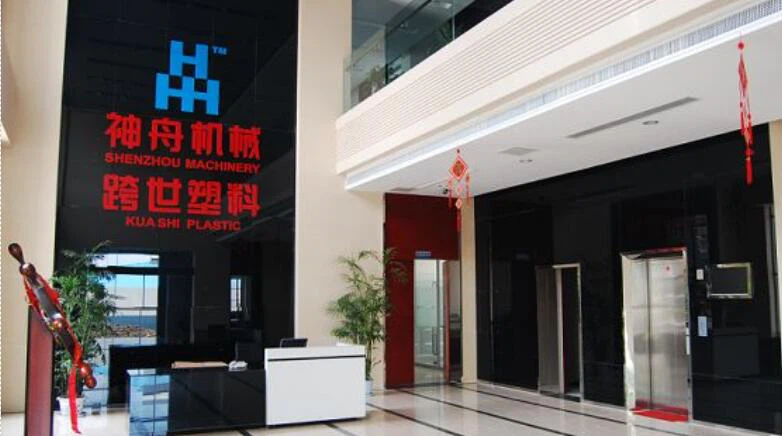
Our Factory
Located in Zhangjiagang City-new port City of china, our company is close to S38/S19 Express Way and G204 National Road, near many big cities of Shanghai, Nanjing, Suzhou, Wuxi, Nantong, with convenient traffic.

FAQ
Q: What are the main factors to consider when designing a plastic bucket mold?
Q: How does the type of plastic affect mold construction?
Q: What is the significance of mold temperature control in the injection molding process?
Q: How are cooling channels typically integrated into a plastic bucket mold?
Q: Why is it important to have a robust ejection system in a plastic bucket mold?
Q: What are the common challenges faced during the maintenance of plastic bucket molds?
Q: How does automation in mold production benefit the manufacturing process?
Q: What are the benefits of using a stack mold or family mold for bucket production?
Q: How does mold design contribute to the prevention of common defects in molded plastic buckets?
Q: What are the safety considerations for operators working with plastic bucket molds?
Q: How does the choice of material for constructing the mold influence the mold's performance and longevity?
Q: What are the environmental implications of plastic bucket mold manufacturing, and how are they mitigated?
Q: How do advancements in mold technology contribute to the evolution of plastic bucket manufacturing?
Q: What are some best practices for mold release and part removal to prevent damage and ensure smooth operation?
Q: How can mold wear and tear be managed to maximize mold life and productivity?
Q: What are the considerations for mold design when accommodating variations in bucket size and shape?
Q: How does injection molding machine selection impact the performance of the plastic bucket mold?
Q: What are the quality control steps taken to ensure the integrity of molded plastic buckets?
Q: How do the principles of injection molding physics apply to the design and function of plastic bucket molds?
Q: What are the potential economic benefits of investing in high-quality plastic bucket molds?
We're well-known as one of the leading plastic bucket mold manufacturers and suppliers in China. We warmly welcome you to or wholesale customized plastic bucket mold for sale here from our factory. All products made in China are with high quality and competitive price.
paint bucket mould, Plastic Paint Bucket Mold, bucket mould