

Can a raw material mixer be used for mixing different colors of materials? That's a question I get asked a lot as a supplier of raw material mixers. In this blog, I'm gonna break it down for you, sharing the ins and outs of using these mixers for color mixing, and give you the lowdown on what to consider.
How Raw Material Mixers Work
First off, let's talk about how these raw material mixers operate. They're designed to blend various raw materials uniformly. Inside the mixer, there are rotating blades or paddles. When you load the materials, these blades start spinning, pushing and pulling the materials around. This movement creates a turbulent flow, ensuring that all the particles get a chance to interact with each other.
The key here is the intensity and duration of the mixing process. Different mixers have different capabilities in terms of speed and power. Some can spin at high velocities, which is great for quickly dispersing materials, while others have a more gentle mixing action, suitable for more delicate substances.
Mixing Different Colors of Materials
Now, the big question: can they mix different colors of materials? The short answer is yes, they can. A good raw material mixer is capable of achieving a homogeneous blend of materials with different colors. Whether you're working with plastics, powders, or even some types of liquids, the mixer can help you get a consistent color throughout the batch.
Let's say you're in the plastic manufacturing industry. You might want to create a custom - colored plastic product. You'd start by adding the base plastic resin and then introduce color masterbatches. These masterbatches are concentrated pigments that, when mixed properly, will give your plastic the desired color. Using a raw material mixer, you can ensure that the color masterbatch is evenly distributed within the resin. You can check out our Raw Material and Color Master Batch Mixer which is specifically designed for this kind of task.
Factors Affecting Color Mixing
But it's not always as straightforward as just throwing everything in and hitting the start button. There are several factors that can affect the quality of the color mixing.
Material Properties
The properties of the materials themselves play a huge role. For example, if you're mixing two powders with different particle sizes, the larger particles might take longer to break down and disperse evenly. Some materials are also more viscous than others. High - viscosity materials can be more challenging to mix because they don't flow as easily. You might need to adjust the mixing time and speed accordingly.
Mixer Design
The design of the mixer is another crucial factor. A well - designed mixer will have features that promote better mixing. For instance, some mixers have multiple mixing zones or special blade configurations that can enhance the blending process. A mixer with a proper discharge mechanism is also important. If the mixer can't discharge the mixed material cleanly, there might be some residue left behind, which can affect the color consistency of the next batch.
Mixing Time and Speed
Finding the right balance between mixing time and speed is essential. If you mix for too short a time, the colors won't be fully blended, and you'll end up with streaks or patches in your final product. On the other hand, over - mixing can sometimes cause the materials to heat up, which might lead to degradation or changes in the material properties. You'll need to do some testing to figure out the optimal mixing parameters for your specific materials.
Other Equipment in the Process
When it comes to handling raw materials and color mixing, a raw material mixer is just one part of the equation. You might also need other equipment like a Raw Materail Auto Loader. This loader can automatically feed the raw materials into the mixer, which not only saves time but also ensures a more consistent feed rate.
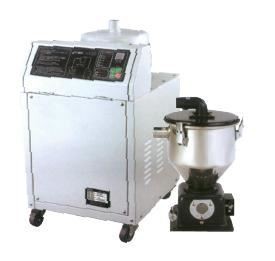

Another useful piece of equipment is the Plastic Products Crusher. If you have some scrap plastic or off - spec products, you can use the crusher to break them down into smaller pieces. These pieces can then be recycled and mixed with new materials, which is not only cost - effective but also environmentally friendly.
Benefits of Using a Raw Material Mixer for Color Mixing
There are several benefits to using a raw material mixer for color mixing.
Consistency
One of the biggest advantages is the ability to achieve consistent color throughout the batch. This is crucial for maintaining product quality. Customers expect the color of your products to be the same every time they make a purchase. With a good mixer, you can ensure that each batch of your product has the exact same color, which builds trust with your customers.
Efficiency
Mixing different colors by hand is a time - consuming and labor - intensive process. Using a raw material mixer can significantly reduce the time and effort required. You can mix larger quantities of materials in a shorter period, which increases your production efficiency and allows you to meet customer demands more quickly.
Cost - Effectiveness
In the long run, using a mixer can save you money. By achieving a more uniform color blend, you can reduce the amount of color masterbatch needed. Since color masterbatches can be quite expensive, this can lead to significant cost savings over time.
Conclusion
So, to sum it up, a raw material mixer can definitely be used for mixing different colors of materials. It's a powerful tool that can help you achieve consistent, high - quality color blends in your products. However, you need to consider factors like material properties, mixer design, and mixing parameters to ensure the best results.
If you're in the market for a raw material mixer or other related equipment, I'd love to have a chat with you. Whether you have questions about our products, need advice on your specific application, or are ready to place an order, feel free to reach out. Let's work together to find the best solutions for your raw material handling and color mixing needs.
References
- Smith, J. (2020). Principles of Material Mixing. Industrial Mixing Journal, 15(2), 45 - 52.
- Johnson, A. (2021). Color Mixing in the Plastic Industry. Plastic Manufacturing Review, 22(3), 67 - 74.


