

Hey there! As a supplier of raw material mixers, I often get asked a bunch of questions from customers. One question that pops up quite a bit is, "Can a raw material mixer be used for mixing materials in a corrosive environment?" Well, let's dig into this topic and find out.
First off, we need to understand what a corrosive environment is. A corrosive environment is basically one where materials are exposed to substances that can cause corrosion. These substances can be things like acids, alkalis, salts, or even some gases. Corrosion can eat away at the materials of the mixer over time, leading to damage and reduced performance.

Now, the answer to whether a raw material mixer can be used in a corrosive environment isn't a simple yes or no. It depends on a few factors.
Material of the Mixer
The material the mixer is made of plays a huge role. Most standard raw material mixers are made of common metals like steel. Steel is strong and durable, but it's also prone to corrosion when exposed to corrosive substances. For example, if you're mixing materials that contain strong acids, the acid can react with the steel, causing rust and pitting.
However, there are mixers made from more corrosion - resistant materials. Stainless steel is a popular choice. It contains chromium, which forms a thin, protective layer on the surface of the metal. This layer helps prevent corrosion. There are also other options like titanium or some special alloys that are even more resistant to corrosion. If you're planning to use the mixer in a corrosive environment, it's a good idea to go for a mixer made from these corrosion - resistant materials.
Coating and Linings
Another way to make a mixer suitable for a corrosive environment is by applying coatings or linings. There are different types of coatings available. For instance, epoxy coatings can be applied to the interior of the mixer. These coatings act as a barrier between the corrosive materials and the metal of the mixer. They can withstand a certain level of corrosion and protect the underlying metal.
Some mixers also have rubber or plastic linings. These linings are great because they're non - reactive with many corrosive substances. They can be easily replaced if they get damaged, which is a plus.
Sealing and Maintenance
Proper sealing is crucial in a corrosive environment. If the mixer isn't sealed well, corrosive substances can leak out and damage the surrounding equipment, or they can get into parts of the mixer where they shouldn't be. Make sure the mixer has good seals around all the openings, such as the lid, the shaft entry points, and any discharge ports.
Regular maintenance is also essential. You need to check the mixer regularly for signs of corrosion. If you notice any damage to the coating or lining, it should be repaired or replaced as soon as possible. Also, clean the mixer after each use to remove any residual corrosive materials.
Our Raw Material Mixers
At our company, we offer a range of raw material mixers that can be customized for corrosive environments. We have mixers made from high - quality stainless steel that can handle a variety of corrosive substances. We can also apply special coatings or linings based on your specific needs.
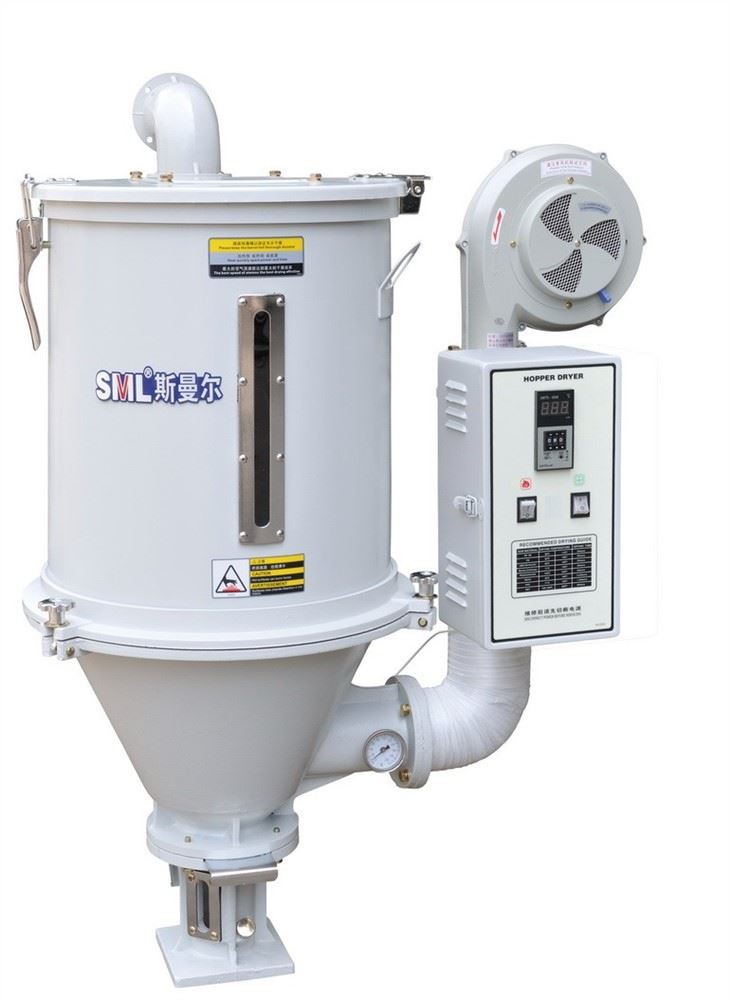
If you're in the market for a raw material mixer and you're dealing with a corrosive environment, don't worry. We've got you covered. And if you're also looking for other auxiliary machinery, we've got some great options. Check out our Hopper Dryer, which is perfect for drying raw materials before mixing. Our Raw Materail Auto Loader can make the process of loading materials into the mixer much easier. And if you need to cool down the mixed materials, our Air Chiller is a great choice.
Case Studies
Let me share a couple of case studies to give you an idea of how our mixers perform in corrosive environments.
One of our customers was in the chemical industry. They were mixing materials that contained a moderate amount of acids. They initially used a standard steel mixer, and they started noticing corrosion within a few months. The mixer's performance started to decline, and they were worried about the safety of the operation.
We recommended our stainless - steel mixer with an epoxy coating. After installing the new mixer, they saw a significant improvement. The mixer has been running smoothly for over a year now, with no signs of corrosion. The customer was really happy with the performance and the reliability of the mixer.
Another customer was in the food industry, where they were dealing with some slightly acidic food ingredients. They needed a mixer that wouldn't contaminate the food with any corrosion products. We provided them with a mixer lined with food - grade plastic. This lining not only protected the mixer from corrosion but also ensured that the food remained safe and clean.
Limitations
It's important to note that even the most corrosion - resistant mixers have their limitations. If the corrosive environment is extremely harsh, with very high concentrations of corrosive substances or very high temperatures, even the best - made mixers may eventually show signs of wear. In such cases, you may need to consider other options, like using a mixer made from the most advanced corrosion - resistant materials or implementing additional protective measures.
Conclusion
So, can a raw material mixer be used for mixing materials in a corrosive environment? The answer is yes, but with some considerations. You need to choose the right material, apply appropriate coatings or linings, ensure proper sealing, and carry out regular maintenance.
If you're interested in our raw material mixers or have any questions about using them in a corrosive environment, don't hesitate to reach out. We're here to help you find the best solution for your specific needs. Whether you're in the chemical, food, or any other industry, we've got the expertise and the products to meet your requirements. Let's start a conversation and see how we can work together to get the job done right.
References
- "Corrosion Resistance of Metals and Alloys" - A technical guide on different metals and their resistance to corrosion.
- "Industrial Mixer Design and Operation" - A book that covers various aspects of mixer design, including considerations for corrosive environments.


