

In the industrial sector, the question of whether a raw material mixer can be used for mixing materials in a dusty environment is both relevant and crucial. As a supplier of raw material mixers, I've encountered numerous inquiries from clients facing such situations. This blog post aims to delve into this topic comprehensively, analyzing the feasibility, challenges, and potential solutions when using a raw material mixer in a dusty environment.
Understanding the Nature of Dusty Environments
Dusty environments are prevalent in various industries, including mining, construction, and certain manufacturing processes. In these settings, fine particles of materials such as sand, cement, or powdered chemicals are suspended in the air. These particles can pose significant challenges to equipment operation and maintenance. For a raw material mixer, the dust can potentially enter the machinery, leading to wear and tear of moving parts, clogging of filters, and even affecting the quality of the mixing process.
Can a Raw Material Mixer Function in a Dusty Environment?
The short answer is yes, a raw material mixer can be used in a dusty environment, but it requires careful consideration and appropriate measures. Most modern raw material mixers are designed to be robust and durable, capable of withstanding harsh working conditions. However, the presence of dust can accelerate the deterioration of the mixer if not properly addressed.
One of the primary concerns is the ingress of dust into the mixer's internal components. Dust can accumulate on bearings, gears, and motors, causing increased friction and heat generation. Over time, this can lead to premature failure of these parts, resulting in costly repairs and downtime. To mitigate this risk, many raw material mixers are equipped with sealed bearings and enclosures to prevent dust from entering. Additionally, regular maintenance and cleaning are essential to remove any dust that may have accumulated.
Another challenge is the impact of dust on the mixing process itself. In a dusty environment, the dust particles can contaminate the raw materials being mixed, affecting the quality and consistency of the final product. To ensure the integrity of the mixing process, it is important to use proper dust control measures, such as installing dust collectors or using sealed mixing chambers.
Strategies for Using a Raw Material Mixer in a Dusty Environment
To successfully use a raw material mixer in a dusty environment, the following strategies can be employed:
1. Dust Control Systems
Installing effective dust control systems is crucial to minimize the amount of dust in the working area. Dust collectors, such as baghouses or cyclones, can be used to capture and remove dust particles from the air. These systems can significantly reduce the risk of dust ingress into the mixer and improve the overall air quality in the workplace.
2. Sealing and Enclosure
Ensure that the raw material mixer is properly sealed and enclosed to prevent dust from entering. This includes using gaskets, seals, and covers on all access points and openings. Additionally, consider using a dust-tight mixing chamber to further isolate the mixing process from the dusty environment.
3. Regular Maintenance
Regular maintenance is essential to keep the raw material mixer in optimal condition. This includes cleaning the mixer regularly to remove any dust or debris, inspecting and lubricating moving parts, and replacing worn-out components as needed. By following a strict maintenance schedule, you can extend the lifespan of the mixer and reduce the risk of breakdowns.
4. Operator Training
Proper operator training is also important to ensure the safe and efficient use of the raw material mixer in a dusty environment. Operators should be trained on how to use the dust control systems, perform regular maintenance tasks, and recognize the signs of potential problems. By providing comprehensive training, you can minimize the risk of operator error and ensure the long-term reliability of the mixer.
Complementary Equipment for Dusty Environments
In addition to the raw material mixer, there are several other pieces of equipment that can be used in conjunction to enhance the performance and efficiency of the mixing process in a dusty environment.
Raw Materail Auto Loader
The Raw Materail Auto Loader is a valuable tool for transporting raw materials to the mixer. It can help reduce the manual handling of materials, minimizing the amount of dust generated during the loading process. The auto loader is designed to be dust-tight, preventing dust from escaping and contaminating the surrounding environment.
Plastic Products Crusher
If your mixing process involves plastic materials, the Plastic Products Crusher can be a useful addition. It can break down large plastic products into smaller pieces, making them easier to mix. The crusher is equipped with dust collection systems to capture any dust generated during the crushing process, ensuring a clean and safe working environment.

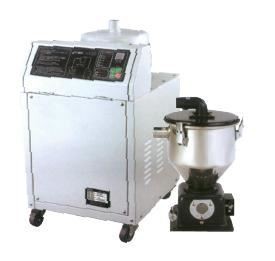
Raw Material Hopper Dryer
The Raw Material Hopper Dryer is used to dry raw materials before they are mixed. In a dusty environment, the dryer can help remove any moisture and dust particles from the materials, improving the quality of the mixing process. The hopper dryer is designed to be energy-efficient and easy to operate, making it a popular choice for many industries.
Conclusion
In conclusion, a raw material mixer can be used for mixing materials in a dusty environment, but it requires careful planning and implementation of appropriate measures. By understanding the challenges posed by dust and taking proactive steps to address them, you can ensure the reliable and efficient operation of the mixer. Additionally, the use of complementary equipment such as the Raw Materail Auto Loader, Plastic Products Crusher, and Raw Material Hopper Dryer can further enhance the performance and productivity of the mixing process.
If you are considering using a raw material mixer in a dusty environment or have any questions about our products, please feel free to contact us. Our team of experts is ready to assist you in finding the best solution for your specific needs. We look forward to the opportunity to work with you and help you achieve your production goals.
References
- "Industrial Dust Control Handbook" by John Doe
- "Maintenance and Troubleshooting of Raw Material Mixers" by Jane Smith
- "Best Practices for Mixing Materials in Harsh Environments" by Industrial Engineering Magazine


