

As a supplier of Raw Material Hopper Dryers, I've seen firsthand how crucial drying temperature is to the chemical properties of raw materials. In this post, I'll break down how different drying temperatures can impact these materials and why it matters for your business.
Understanding the Basics of Drying
Before we jump into the effects of temperature, let's cover the basics of drying. The main goal of drying raw materials is to remove moisture. Moisture can have a big impact on the quality and performance of the final product. For example, in the plastics industry, excess moisture can cause bubbles, cracks, or other defects in the finished plastic parts.
How Temperature Affects Chemical Properties
1. Chemical Reactions
Higher drying temperatures can speed up chemical reactions in raw materials. Some materials might undergo oxidation, hydrolysis, or polymerization reactions at elevated temperatures. For instance, in the case of polymers, high temperatures can lead to chain scission, which means the long polymer chains break into shorter ones. This can change the molecular weight distribution of the polymer, affecting its mechanical properties like strength and flexibility.
On the other hand, if the temperature is too low, the drying process might take longer, and there could still be residual moisture in the material. This moisture can act as a catalyst for slow chemical reactions over time, leading to degradation of the material.
2. Volatile Component Loss
Many raw materials contain volatile components. These are substances with low boiling points that can easily evaporate. When we dry the materials, the temperature plays a key role in determining how much of these volatile components are lost.
At higher temperatures, more volatile components will evaporate. This can be a good thing in some cases, like when we want to remove solvents from a material. But in other cases, it can be a problem. For example, in the food industry, some volatile compounds are responsible for the flavor and aroma of the food. If the drying temperature is too high, these important flavor compounds can be lost, resulting in a less appealing product.
3. Crystal Structure Changes
Some raw materials have a crystalline structure. Temperature can affect these crystals in several ways. When we heat a crystalline material during drying, the thermal energy can cause the crystal lattice to expand. If the temperature is increased too rapidly or too high, it can even cause the crystals to melt or transform into a different crystal structure.

These changes in the crystal structure can have a significant impact on the material's physical and chemical properties. For example, a change in crystal structure can affect the solubility of a material, which is important in industries like pharmaceuticals where the solubility of a drug can determine its effectiveness.
4. Enzyme Activity
In biological raw materials, enzymes play a crucial role in many chemical reactions. Enzymes are proteins that act as catalysts, speeding up chemical reactions in living organisms. However, enzymes are very sensitive to temperature.
At low temperatures, enzyme activity is reduced, and the chemical reactions they catalyze slow down. As the temperature increases, the enzyme activity also increases, up to an optimal temperature. Beyond this optimal temperature, the enzyme starts to denature, which means its structure is disrupted, and it loses its catalytic activity.
Finding the Right Drying Temperature
So, how do we find the right drying temperature for a particular raw material? Well, it depends on several factors.
First, we need to know the nature of the raw material itself. Different materials have different chemical compositions and physical properties, so they will respond differently to temperature changes. For example, heat-sensitive materials like certain pharmaceuticals or food products require a lower drying temperature to avoid degradation.
Second, the end-use of the material is also important. If the material is going to be used in a high-strength application, we might need to be more careful about maintaining its chemical and physical properties during drying. On the other hand, if the material is used in a less demanding application, we might have more flexibility in choosing the drying temperature.
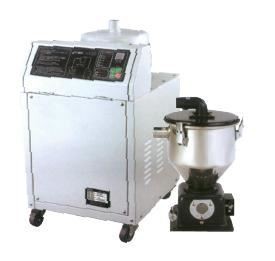
Here at our company, we offer a range of Raw Material Hopper Dryers that can be customized to meet the specific drying temperature requirements of different raw materials. We also have a team of experts who can help you determine the best drying temperature for your materials.
Complementary Equipment
In addition to our Raw Material Hopper Dryers, we also offer other auxiliary machinery that can work together with the dryers to improve the overall processing of raw materials.
- Raw Materail Auto Loader: This equipment can automatically load raw materials into the hopper dryer, saving you time and labor.
- Mold Temperature Controller: It helps maintain a stable temperature in the mold during the molding process, ensuring the quality of the final product.
- Air Chiller: This can be used to cool down the dried materials or other equipment in the production line, preventing overheating.
Why Choose Our Products
Our Raw Material Hopper Dryers are designed with advanced technology to provide precise temperature control. We understand that every raw material is unique, and a small difference in drying temperature can have a big impact on the final product. That's why our dryers can be adjusted to a wide range of temperatures, allowing you to find the perfect setting for your materials.
In addition, our dryers are energy-efficient, which can help you save on operating costs in the long run. We also provide excellent after-sales service, ensuring that you have a smooth experience using our products.
Let's Talk
If you're in the market for a Raw Material Hopper Dryer or any of our auxiliary machinery, I'd love to hear from you. Whether you're not sure about the right drying temperature for your materials or you need help choosing the right equipment, our team of experts is here to assist you. Contact us today to start a discussion about your specific needs and how we can help you achieve the best results in your raw material processing.
References
- Smith, J. (2018). "The Effects of Drying Temperature on Polymer Properties." Polymer Science Journal, 25(3), 123 - 135.
- Johnson, A. (2019). "Temperature - Induced Changes in Food Flavor Compounds during Drying." Food Science Review, 18(2), 78 - 85.
- Brown, C. (2020). "Enzyme Kinetics and Temperature Sensitivity in Biological Materials." Biotechnology Today, 32(4), 201 - 210.


