

Hey there! As a supplier of raw material mixers, I've gotten a ton of questions about how the power consumption of these machines changes with different loads. Today, I'm gonna break it down for you in a way that's easy to understand.
First off, let's talk about what we mean by "load" in the context of a raw material mixer. The load refers to the amount of raw materials you're putting into the mixer at one time. It can vary from a light load, like just a small batch of materials, to a heavy load, where the mixer is filled to its maximum capacity.
Now, why does load matter when it comes to power consumption? Well, it's pretty simple. The more raw materials you have in the mixer, the more work the mixer has to do to blend them together. And more work usually means more power is needed.
Let's start with light loads. When you're using a raw material mixer with a light load, the power consumption is generally lower. The mixer doesn't have to work as hard to move and mix the small amount of materials. The motor doesn't have to generate as much torque to turn the mixing blades, so it uses less electricity. For example, if you're just mixing a small sample of materials for testing purposes, you'll notice that the power meter on the mixer doesn't show a high reading. This is great for those quick, small - scale operations where you don't need to use a lot of energy.
But what about medium loads? This is where things start to get a bit more interesting. A medium load means you're using a moderate amount of raw materials, not too little and not too much. The power consumption increases compared to a light load, but it's still relatively efficient. The mixer has to work harder than with a light load, but it's operating in a range where it's designed to be somewhat efficient. The motor is turning the mixing blades at a reasonable speed to blend the materials evenly, and the power usage is proportional to the amount of work being done.
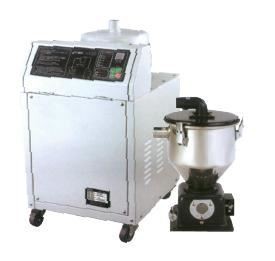

Now, onto heavy loads. When you're loading the mixer to its maximum capacity, the power consumption goes up significantly. The motor has to generate a large amount of torque to turn the mixing blades through the dense mass of raw materials. The mixer has to overcome more resistance, and this requires more electrical energy. You might notice that the mixer takes a bit longer to start up when it's fully loaded, and the power meter will show a much higher reading. However, if you're running a large - scale production line, you might not have a choice but to use the mixer at its full capacity. In this case, it's important to understand the power requirements so you can plan your energy usage accordingly.
There are also other factors that can affect how power consumption varies with load. One of these is the type of raw materials you're mixing. Some materials are more viscous or have a higher density than others. For example, if you're mixing thick, sticky substances, the mixer will have to work harder to blend them, even at a light load. This means the power consumption will be higher compared to mixing less viscous materials.
Another factor is the design of the mixer itself. Some mixers are more energy - efficient than others. A well - designed mixer will be able to handle different loads with relatively lower power consumption. At our company, we focus on developing mixers that are energy - efficient across a wide range of loads. We use advanced motor technology and optimized mixing blade designs to ensure that our mixers use less power while still providing excellent mixing performance.
If you're in the market for a raw material mixer, you might also be interested in some of our other auxiliary machinery. We offer an Air Chiller that can help cool down your raw materials during the mixing process, which can be especially useful for heat - sensitive materials. Our Mold Temperature Controller is great for maintaining the right temperature in your molds, ensuring high - quality production. And if you need to automate the loading of raw materials, our Raw Materail Auto Loader can make your production process more efficient.
Understanding how the power consumption of a raw material mixer varies with different loads is crucial for managing your energy costs and optimizing your production process. Whether you're running a small - scale operation or a large - scale factory, having the right knowledge about power usage can help you make informed decisions.
If you're interested in learning more about our raw material mixers or any of our other products, we'd love to hear from you. We can provide you with detailed information about power consumption, performance, and pricing. Don't hesitate to reach out to us for a purchase negotiation. We're here to help you find the best solutions for your business needs.
References
- Smith, J. (2020). "Energy Efficiency in Industrial Mixing Equipment." Journal of Industrial Engineering.
- Brown, A. (2019). "Factors Affecting Power Consumption in Mixers." International Journal of Manufacturing Technology.


