

Picking the right power for a plastic products crusher can be a real head - scratcher, especially if you're new to the plastic recycling or production scene. As a supplier of plastic products crushers, I've seen firsthand how crucial it is to get this decision right. So, let's dive in and break down the key factors you need to consider when choosing the power for your crusher.
Understanding Your Crushing Needs
First things first, you've got to figure out what kind of plastic you'll be crushing. Different plastics have different properties, and some are a lot tougher to break down than others. For example, PVC (polyvinyl chloride) is a relatively soft plastic, while PET (polyethylene terephthalate) used in water bottles is more rigid. If you're dealing with hard plastics like PET or polycarbonate, you'll need a crusher with more power to handle the job efficiently.
Another important aspect is the size and volume of the plastic pieces you'll be feeding into the crusher. If you're working with large, bulky plastic items, you'll need a more powerful crusher to break them down. On the other hand, if you're just crushing small plastic scraps, a lower - powered crusher might do the trick. Think about your production volume too. If you're running a high - volume operation, you'll need a crusher that can keep up with the demand, which usually means more power.
Types of Crushers and Their Power Requirements
There are several types of plastic products crushers on the market, each with its own power needs.
Shredder - Type Crushers
These crushers use sharp blades to shred the plastic into small pieces. They're great for handling large plastic items and can be quite powerful. Shredder - type crushers typically have motors ranging from 5 HP (horsepower) to 50 HP or more, depending on the size and capacity of the machine. If you're dealing with large plastic drums or industrial - sized plastic parts, a high - powered shredder - type crusher is a good option.
Granulator - Type Crushers
Granulators are designed to produce uniform plastic granules. They work by cutting the plastic into small, consistent pieces. Granulator - type crushers usually have lower power requirements compared to shredders. Motors for granulators can range from 1 HP to 20 HP, making them suitable for smaller - scale operations or for crushing softer plastics.
Power and Efficiency
It's not just about having enough power; you also want to consider the efficiency of the crusher. A more powerful crusher might be able to crush plastic faster, but it could also consume a lot of energy. You don't want to end up with a machine that's guzzling electricity and driving up your operating costs.
Look for crushers that are designed to be energy - efficient. Some modern crushers use advanced motor technology and cutting mechanisms to maximize crushing power while minimizing energy consumption. For example, variable frequency drives (VFDs) can adjust the motor speed based on the load, which helps save energy.

Cost Considerations
Power comes at a price. Higher - powered crushers generally cost more to purchase and operate. You need to balance your need for power with your budget. If you're on a tight budget, you might have to compromise on some power, but make sure you're not sacrificing too much performance.
Consider the long - term costs as well. A more expensive, high - powered crusher might save you money in the long run if it can handle your production volume more efficiently and has a longer lifespan. You also need to factor in maintenance costs. Higher - powered crushers might require more frequent maintenance, which can add to the overall cost of ownership.
Compatibility with Other Equipment
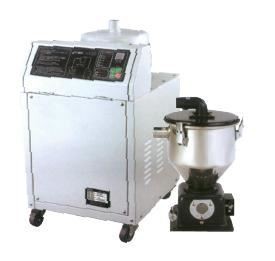
If you're integrating the plastic products crusher into an existing production line, you need to make sure it's compatible with your other equipment. For example, if you're using a Raw Materail Auto Loader to feed plastic into the crusher, the crusher's power and capacity should match the loader's output. Similarly, if you're using a Raw Material Hopper Dryer or a Mold Temperature Controller in your process, the crusher should fit seamlessly into the workflow.
Safety and Power
Don't forget about safety when choosing the power for your plastic products crusher. Higher - powered crushers can be more dangerous if not used properly. Make sure the crusher you choose has appropriate safety features, such as emergency stop buttons, safety guards, and overload protection. These features not only protect your workers but also prevent damage to the machine.
Testing and Consultation
Before making a final decision, it's a good idea to test the crusher if possible. Many suppliers, like us, offer on - site testing or have demonstration models. This allows you to see how the crusher performs with your specific type of plastic and production requirements.
If you're still unsure about which power is right for you, don't hesitate to consult with experts. As a plastic products crusher supplier, we've got years of experience and can provide valuable advice based on your needs. We can help you analyze your production process, evaluate different crushers, and choose the one with the right power for your operation.
Making the Decision
In the end, choosing the right power for a plastic products crusher is all about finding the right balance. You need to consider your plastic type, production volume, budget, and compatibility with other equipment. Don't just go for the most powerful crusher on the market; instead, choose the one that meets your specific needs efficiently and safely.
If you're in the market for a plastic products crusher and need help making the right choice, we're here to assist you. Our team of experts can guide you through the selection process and ensure you get a crusher that's a perfect fit for your business. Whether you're a small - scale recycler or a large - scale plastic manufacturer, we've got the right solution for you. Contact us today to start the conversation and take the first step towards finding the ideal plastic products crusher for your operation.
References
- "Plastic Recycling Technology Handbook" by John Scheirs and Walter Kaminsky
- Industry reports on plastic processing equipment from leading market research firms.


