

Hey there! As a supplier of auxiliary machinery, I've seen firsthand how humidity can be a real pain in the neck for these machines. In this blog, I'm gonna share some tips on how to protect your auxiliary machinery from humidity.
First off, let's talk about why humidity is such a big deal. When there's too much moisture in the air, it can cause all sorts of problems for your machinery. Rust is one of the most common issues. Metal parts can start to corrode, which weakens them and can lead to breakdowns. Electrical components are also at risk. Moisture can cause short circuits, which can damage the machine and even pose a safety hazard.
Now, let's get into the nitty - gritty of how to protect your auxiliary machinery from humidity.
1. Choose the Right Location
The location where you place your auxiliary machinery is super important. Try to keep them in a dry area. A climate - controlled room is ideal. If you don't have the option of a climate - controlled space, at least avoid areas prone to moisture, like basements that tend to get damp or areas near large open water sources.
If possible, elevate the machinery off the ground. This will prevent water from pooling around it if there's any accidental spills or if the floor gets wet. For example, our Raw Material and Color Master Batch Mixer should be placed in a well - ventilated and dry spot. This type of mixer has a lot of metal parts that are vulnerable to rust, so keeping it in a dry environment is crucial.
2. Use Dehumidifiers
Dehumidifiers are like superheroes when it comes to fighting humidity. They work by removing excess moisture from the air. You can place a dehumidifier near your machinery, especially if you're in an area with high humidity levels.
There are different types of dehumidifiers available. Some are small and portable, which are great for smaller spaces or for moving around as needed. Others are larger and can be installed permanently in a room. Make sure to choose the right size dehumidifier for the area where your machinery is located.
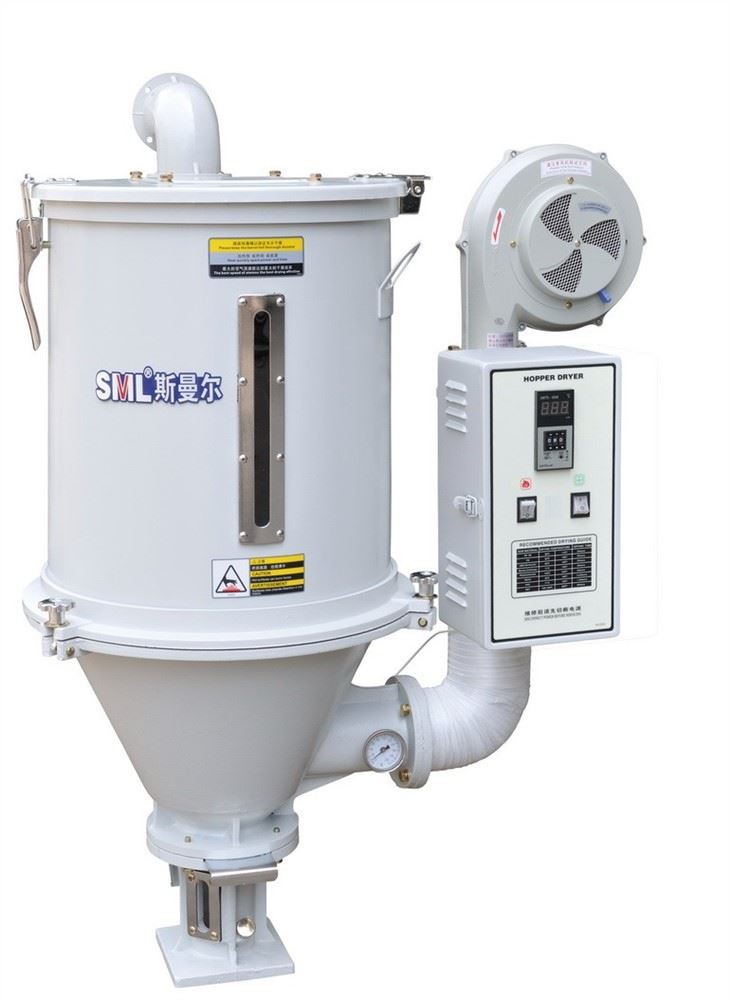

For instance, if you have a Raw Material Hopper Dryer in a moderate - sized room, a mid - sized dehumidifier should do the trick. This dryer often deals with raw materials that can be affected by humidity, and a dehumidifier can help maintain the right conditions.
3. Seal and Insulate
Check for any gaps or openings in the machinery's housing. Even small cracks can allow moisture to seep in. Use appropriate sealants to close these gaps. This is especially important for electronic components, as they are extremely sensitive to moisture.
Insulating the machinery can also help. Insulation can act as a barrier against moisture and temperature changes. For example, for our Hopper Dryer, ensuring a good seal around the hopper and proper insulation can prevent humidity from getting in and affecting the drying process.
4. Regular Maintenance and Cleaning
Regular maintenance is key to keeping your machinery in top shape, especially when it comes to humidity protection. Clean the machinery regularly to remove any dust or debris that might trap moisture. Use a dry cloth or a soft - bristle brush to clean the surfaces.
Inspect the parts for any signs of rust or corrosion. If you notice any, take immediate action. You can use anti - rust sprays or treatments to prevent further damage. Also, check the electrical connections and make sure they are clean and dry.
5. Use Desiccants
Desiccants are substances that absorb moisture. You can place desiccant packets inside the machinery's housing, especially in areas where moisture is likely to accumulate. Silica gel is a common desiccant. You can buy it in bulk and then put it in mesh bags and place them strategically around the machine.
6. Improve Ventilation
Good ventilation helps to keep the air flowing around the machinery. It can prevent the build - up of stale, moist air. You can install fans or vents in the room where the machinery is located. Make sure the ventilation system is clean and functioning properly. This will help to remove the humid air and bring in dry air, reducing the risk of moisture damage.
7. Protective Coatings
Applying protective coatings to the metal parts of the machinery can significantly reduce the risk of rust and corrosion. There are various types of coatings available, such as epoxy coatings or powder coatings. These coatings create a barrier between the metal and the humid air, preventing moisture from coming into contact with the metal surface.
When considering purchasing auxiliary machinery or looking for ways to enhance the humidity protection of your existing equipment, it's important to choose a reliable supplier. As an auxiliary machinery supplier, I understand the challenges that humidity can pose to your machinery. We offer high - quality products like the ones I've mentioned above, and we're always here to provide advice on how to keep your machinery in the best condition.
If you're interested in learning more about our products or need help with humidity protection for your auxiliary machinery, don't hesitate to reach out. We'd love to have a chat with you and discuss how we can help meet your needs. Whether you're just starting to research or you're ready to make a purchase, we're here for you.
In conclusion, protecting your auxiliary machinery from humidity is essential for its longevity and performance. By following these tips, you can minimize the risk of moisture - related damage and keep your machinery running smoothly.
References
- "Industrial Machinery Maintenance Handbook": This book provides in - depth knowledge on maintaining industrial equipment, including protection against environmental factors like humidity.
- "Moisture Control in Industrial Settings": A research paper that discusses the impact of humidity on industrial machinery and effective control methods.


