

As a supplier of auxiliary machinery, I often encounter customers who are concerned about the operating costs of these machines. Understanding these costs is crucial for businesses to make informed decisions about their production processes and budget allocation. In this blog, I will delve into the various operating costs associated with auxiliary machinery, providing insights that can help you manage your expenses more effectively.
Energy Consumption
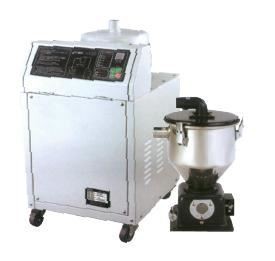
One of the most significant operating costs for auxiliary machinery is energy consumption. Different types of auxiliary machines have varying energy requirements depending on their functions and specifications. For example, a Raw Materail Auto Loader is designed to automatically transport raw materials to the processing equipment. These loaders typically use electric motors to power the conveyor belts and other moving parts. The energy consumption of an auto loader depends on factors such as the load capacity, the speed of operation, and the distance over which the materials are transported.
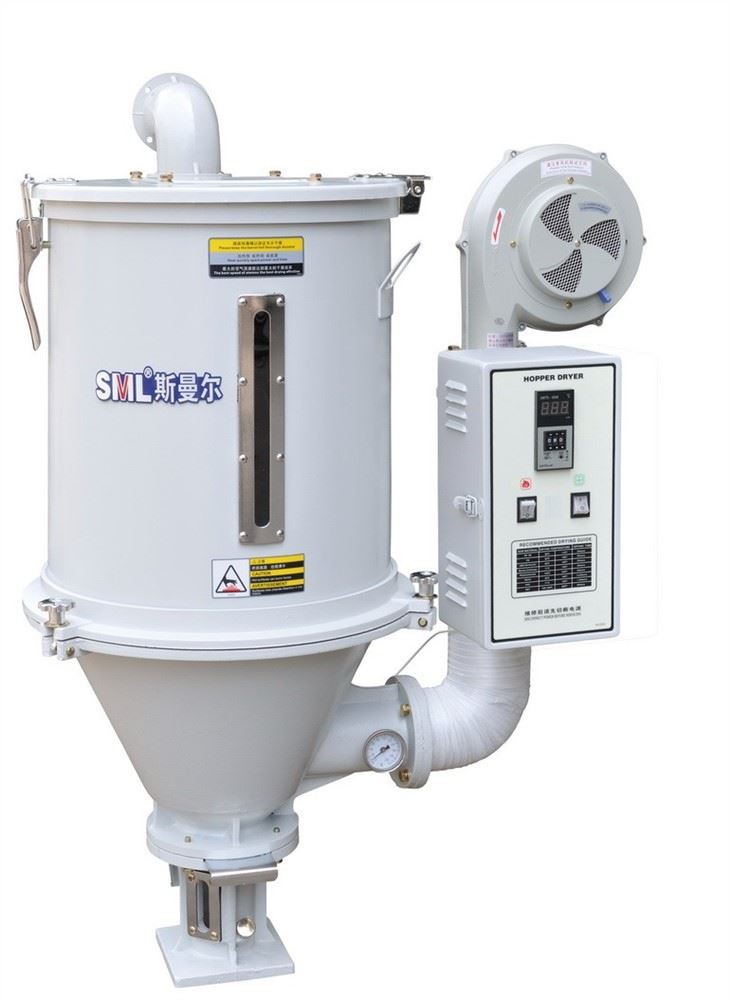
On the other hand, Raw Material Hopper Dryer and Hopper Dryer are used to remove moisture from raw materials before processing. These dryers usually rely on heaters to generate hot air, which requires a substantial amount of electricity. The energy consumption of a hopper dryer is influenced by the size of the hopper, the drying temperature, and the duration of the drying cycle.
To reduce energy costs, it is essential to choose energy-efficient auxiliary machinery. Look for machines with high-efficiency motors and advanced control systems that can optimize energy usage. Additionally, proper maintenance of the machines, such as regular cleaning of filters and lubrication of moving parts, can also improve their energy efficiency.
Maintenance and Repairs
Another significant operating cost is maintenance and repairs. Auxiliary machinery is subject to wear and tear over time, and regular maintenance is necessary to ensure its proper functioning and longevity. Maintenance tasks may include cleaning, lubrication, inspection of components, and replacement of worn-out parts.
The frequency and cost of maintenance depend on the type of machine, its usage intensity, and the operating environment. For example, machines operating in a dusty or humid environment may require more frequent cleaning and maintenance. It is important to follow the manufacturer's recommended maintenance schedule to prevent breakdowns and costly repairs.
In addition to regular maintenance, unexpected breakdowns can also occur, requiring immediate repairs. The cost of repairs can vary widely depending on the nature of the problem and the availability of replacement parts. To minimize repair costs, it is advisable to have a spare parts inventory on hand and establish a relationship with a reliable repair service provider.
Labor Costs
Labor costs are also an important consideration when calculating the operating costs of auxiliary machinery. Operating and maintaining these machines often requires skilled personnel. The labor cost includes wages, training, and benefits for the operators and maintenance technicians.
The number of personnel required depends on the complexity and scale of the operation. For small-scale operations, a single operator may be able to handle multiple machines. However, in large-scale manufacturing facilities, a team of operators and technicians may be needed to ensure the smooth running of the auxiliary machinery.
To reduce labor costs, some businesses are turning to automation. Automated auxiliary machinery can perform tasks with minimal human intervention, reducing the need for a large workforce. However, the initial investment in automation technology can be significant, and it is important to carefully evaluate the cost-benefit ratio.
Consumables and Supplies
Auxiliary machinery also consumes various consumables and supplies during operation. For example, hopper dryers may require replacement filters to maintain air quality and prevent contamination of the raw materials. Auto loaders may use conveyor belts that need to be replaced periodically due to wear and tear.
The cost of consumables and supplies can add up over time, especially in high-volume production environments. To manage these costs, it is important to source high-quality consumables at competitive prices and establish a system for monitoring and controlling their usage.
Training and Certification
Proper training of operators and maintenance technicians is crucial to ensure the safe and efficient operation of auxiliary machinery. Training programs can cover topics such as machine operation, maintenance procedures, safety protocols, and troubleshooting.
The cost of training includes the fees for training courses, the time spent by the employees in training, and the cost of training materials. In some cases, certification may also be required for certain types of auxiliary machinery. Certification can enhance the credibility of the operators and technicians and may be necessary to comply with industry regulations.
Cost Analysis and Optimization
To effectively manage the operating costs of auxiliary machinery, it is important to conduct a comprehensive cost analysis. This involves identifying all the cost components, collecting data on their usage and expenditure, and analyzing the trends over time.
Once the cost analysis is complete, businesses can identify areas where cost savings can be achieved. For example, if energy consumption is a major cost driver, measures can be taken to improve energy efficiency. If labor costs are high, automation or process optimization may be considered.
It is also important to regularly review and update the cost analysis to adapt to changes in the operating environment, technology, and business requirements. By continuously monitoring and optimizing the operating costs, businesses can improve their profitability and competitiveness.
Conclusion
In conclusion, the operating costs of auxiliary machinery include energy consumption, maintenance and repairs, labor costs, consumables and supplies, training and certification. Understanding these costs is essential for businesses to make informed decisions about their production processes and budget allocation.
As a supplier of auxiliary machinery, I am committed to providing high-quality products that are energy-efficient, reliable, and easy to maintain. I also offer comprehensive support services, including training, maintenance, and repair, to help my customers minimize their operating costs.
If you are interested in learning more about our auxiliary machinery or have any questions about operating costs, please feel free to contact me. I would be happy to discuss your specific needs and provide you with customized solutions. Let's work together to optimize your production processes and reduce your operating costs.
References
- [Manufacturer's Manuals for Auxiliary Machinery]
- [Industry Reports on Energy Efficiency and Maintenance of Industrial Equipment]
- [Research Papers on Automation in Manufacturing]


