

As a trusted air chiller supplier, I've had the privilege of witnessing the critical role that air chillers play in various industries. Air chillers are indispensable for maintaining optimal temperatures in manufacturing processes, data centers, and commercial buildings. Understanding the spare parts of an air chiller is crucial for ensuring its efficient operation, extending its lifespan, and minimizing downtime. In this blog post, I'll delve into the key spare parts of an air chiller, their functions, and the importance of regular maintenance.
Compressor
The compressor is the heart of an air chiller. It plays a vital role in the refrigeration cycle by compressing the refrigerant gas, raising its pressure and temperature. This high-pressure gas then flows through the condenser, where it releases heat and condenses into a liquid. There are different types of compressors used in air chillers, including reciprocating, rotary screw, and centrifugal compressors. Each type has its own advantages and is suitable for different applications and capacity requirements.
Regular maintenance of the compressor is essential to prevent breakdowns and ensure its efficient operation. This includes checking the oil level, inspecting the belts and couplings, and monitoring the compressor's performance. If the compressor fails, it can lead to a complete shutdown of the air chiller, resulting in significant downtime and potential damage to the equipment.
Condenser
The condenser is responsible for removing heat from the refrigerant gas that has been compressed by the compressor. It does this by transferring the heat to the surrounding air. The condenser consists of a series of tubes or coils through which the refrigerant flows, and fins that increase the surface area for heat transfer. As the hot refrigerant gas passes through the condenser, it releases heat to the air, causing it to condense into a liquid.
There are two main types of condensers used in air chillers: air-cooled condensers and water-cooled condensers. Air-cooled condensers are the most common type and are typically used in smaller air chillers. They use fans to blow air over the condenser coils, dissipating the heat into the atmosphere. Water-cooled condensers, on the other hand, use water to remove the heat from the refrigerant. They are more efficient than air-cooled condensers but require a water source and a cooling tower.
To ensure the proper functioning of the condenser, it's important to keep it clean and free of debris. This can be done by regularly inspecting and cleaning the condenser coils and fins. A dirty condenser can reduce the efficiency of the air chiller and increase energy consumption.
Evaporator
The evaporator is where the refrigerant absorbs heat from the process or space that needs to be cooled. It is the opposite of the condenser, as it takes in heat instead of releasing it. The evaporator consists of a series of tubes or coils through which the refrigerant flows, and fins that increase the surface area for heat transfer. As the cold refrigerant liquid passes through the evaporator, it absorbs heat from the surrounding air or water, causing it to evaporate into a gas.

The evaporator plays a crucial role in the cooling process, as it determines the temperature and humidity of the air or water being cooled. If the evaporator is not functioning properly, it can lead to inadequate cooling and poor indoor air quality. Regular maintenance of the evaporator includes checking the refrigerant level, inspecting the coils and fins for damage, and ensuring proper airflow.
Expansion Valve
The expansion valve is a key component in the refrigeration cycle. It regulates the flow of refrigerant into the evaporator, ensuring that the refrigerant enters the evaporator at the correct pressure and temperature. The expansion valve controls the amount of refrigerant that is allowed to enter the evaporator based on the load requirements of the air chiller.
There are two main types of expansion valves: thermostatic expansion valves (TXV) and electronic expansion valves (EEV). Thermostatic expansion valves are the most common type and use a temperature-sensitive bulb to control the flow of refrigerant. Electronic expansion valves, on the other hand, use electronic sensors and a microprocessor to control the flow of refrigerant more precisely.
Proper adjustment of the expansion valve is essential for the efficient operation of the air chiller. If the expansion valve is not adjusted correctly, it can lead to over- or under-cooling, reduced efficiency, and potential damage to the compressor.
Fans and Blowers
Fans and blowers are used to move air through the condenser and evaporator coils, facilitating heat transfer. In air-cooled condensers, fans blow air over the condenser coils to remove heat from the refrigerant. In the evaporator, blowers circulate the cooled air throughout the space or process that needs to be cooled.
The performance of the fans and blowers is critical for the overall efficiency of the air chiller. Regular maintenance of the fans and blowers includes checking the motor bearings, belts, and blades for wear and tear, and ensuring proper alignment. A malfunctioning fan or blower can reduce the airflow through the coils, leading to reduced heat transfer and increased energy consumption.
Refrigerant
The refrigerant is the working fluid that absorbs and releases heat in the refrigeration cycle. It is a vital component of the air chiller, as it is responsible for transferring heat from the evaporator to the condenser. There are several types of refrigerants used in air chillers, including R-22, R-410A, and R-134a.
The choice of refrigerant depends on various factors, such as the application, the capacity of the air chiller, and environmental regulations. In recent years, there has been a growing trend towards using more environmentally friendly refrigerants with lower global warming potential (GWP).
It's important to ensure that the refrigerant level in the air chiller is maintained at the correct level. A refrigerant leak can not only reduce the efficiency of the air chiller but also have a negative impact on the environment. Regular inspections and maintenance can help detect and prevent refrigerant leaks.
Controls and Sensors
Modern air chillers are equipped with a variety of controls and sensors to monitor and regulate the operation of the system. These controls and sensors ensure that the air chiller operates at optimal efficiency, maintains the desired temperature and humidity levels, and protects the equipment from damage.
Some of the common controls and sensors used in air chillers include temperature sensors, pressure sensors, flow sensors, and control panels. The temperature sensors measure the temperature of the refrigerant, the air, or the water at various points in the system. The pressure sensors monitor the pressure of the refrigerant in the compressor, condenser, and evaporator. The flow sensors measure the flow rate of the refrigerant and the water. The control panel allows the operator to set the desired temperature and other operating parameters and provides real-time feedback on the performance of the air chiller.
Regular calibration and maintenance of the controls and sensors are essential to ensure their accuracy and reliability. A malfunctioning control or sensor can lead to improper operation of the air chiller, resulting in reduced efficiency and potential damage to the equipment.
Other Spare Parts
In addition to the main spare parts mentioned above, there are several other components that may need to be replaced or maintained over the life of the air chiller. These include filters, gaskets, seals, and valves.
Filters are used to remove dirt, dust, and other contaminants from the air or water flowing through the air chiller. They need to be replaced regularly to ensure proper airflow and prevent damage to the equipment. Gaskets and seals are used to prevent leaks and ensure a tight seal between the different components of the air chiller. They can wear out over time and need to be replaced to prevent refrigerant and water leaks. Valves are used to control the flow of refrigerant, water, and air in the system. They need to be inspected and maintained to ensure proper operation.
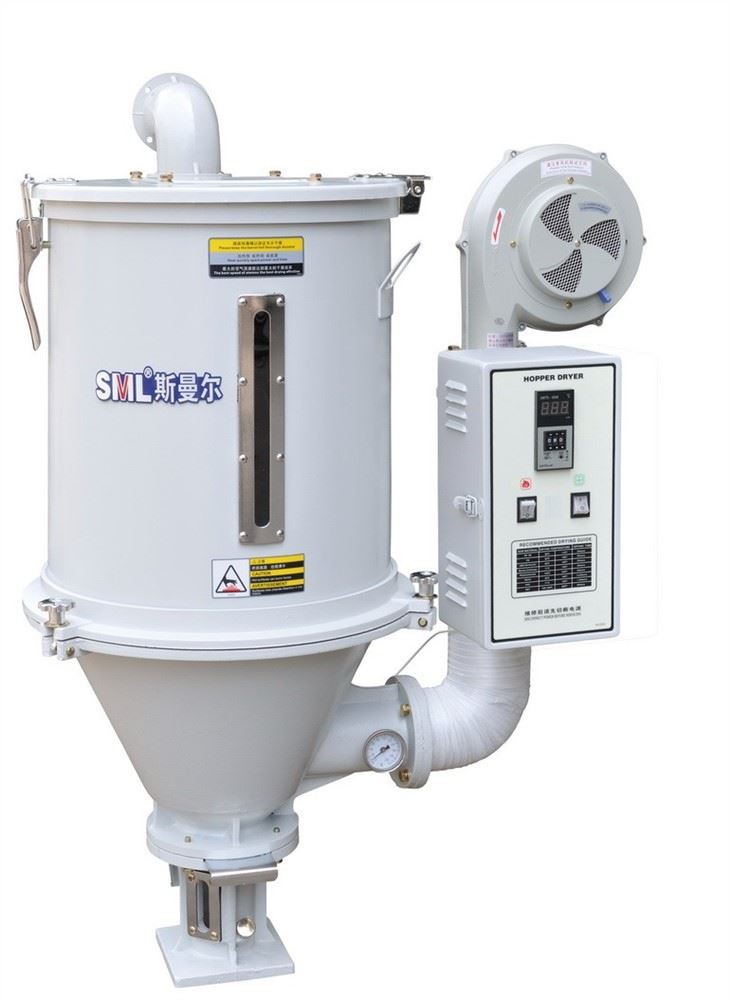
If you are in the market for auxiliary machinery related to air chillers, you might be interested in the Raw Material Hopper Dryer, Raw Materail Auto Loader, and Hopper Dryer. These products can enhance the performance and efficiency of your air chiller system.
In conclusion, understanding the spare parts of an air chiller is essential for ensuring its reliable and efficient operation. Regular maintenance and timely replacement of worn or damaged parts can extend the lifespan of the air chiller, reduce downtime, and save on energy costs. As an air chiller supplier, we offer a wide range of high-quality spare parts and professional maintenance services to keep your air chiller running smoothly. If you have any questions or need assistance with your air chiller, please don't hesitate to contact us. We are here to help you with all your air chiller needs and look forward to discussing your requirements and providing you with the best solutions. Let's start a conversation about how we can support your air chiller procurement and maintenance needs.
References
- ASHRAE Handbook - Refrigeration
- Carrier Corporation. "Air Chiller Technical Manual."
- Trane Technologies. "Understanding Air Chiller Components."


