

Hey there! If you're in the market for an injection blowing machine, you've come to the right place. As a supplier of these machines, I've seen firsthand the importance of understanding the technical parameters before making a purchase. In this blog post, I'll walk you through the key factors you should consider to ensure you get the right machine for your needs.
Production Capacity
One of the first things you'll want to think about is the production capacity of the injection blowing machine. This refers to the number of products the machine can produce in a given period, usually measured in pieces per hour. Your production requirements will depend on your business volume and market demand.
If you're a small - scale operation, a machine with a lower production capacity might be sufficient. However, if you're aiming for large - scale production to meet high - volume orders, you'll need a machine that can churn out a significant number of items quickly. Some high - end machines can produce hundreds or even thousands of pieces per hour. Keep in mind that higher production capacity often comes with a higher price tag, so you'll need to find the right balance between your budget and your production goals.
Mold Compatibility
The injection blowing machine you choose must be compatible with the molds you plan to use. Different products require different molds, and the machine should be able to accommodate them. Check the mold size and shape requirements of the machine. It should have enough space in the mold area to fit your molds properly.
Also, consider the ease of mold installation and removal. A machine that allows for quick and easy mold changes can save you a lot of time and increase your overall productivity. You can check out our Semi Automatic Injection Blowing Blow Molding Machine which is designed to be highly mold - compatible and user - friendly when it comes to mold operations.
Material Handling
The type of materials the machine can handle is another crucial parameter. Injection blowing machines are used to work with various types of plastics, such as polyethylene (PE), polypropylene (PP), and polyethylene terephthalate (PET). Make sure the machine you're considering can process the specific material you plan to use for your products.
Some machines are more versatile and can handle multiple types of plastics, while others are more specialized. If you plan to produce different types of products using different materials in the future, it might be worth investing in a more versatile machine. For example, if you're in the business of making Medicine Bottle Injection Blowing Machine products, you'll need a machine that can handle materials that meet medical - grade standards.
Clamping Force
Clamping force is the force applied by the machine to hold the mold closed during the injection and blowing processes. A sufficient clamping force is necessary to prevent plastic from leaking out of the mold and to ensure that the products are formed correctly.
The required clamping force depends on the size and complexity of the products you're making. Larger and more complex products generally require a higher clamping force. You don't want to skimp on clamping force, as it can lead to poor - quality products and production inefficiencies. When evaluating a machine, ask about its clamping force specifications and make sure it's suitable for your intended products.
Injection System
The injection system is the heart of the injection blowing machine. It's responsible for melting the plastic and injecting it into the mold. There are two main types of injection systems: screw - based and plunger - based.
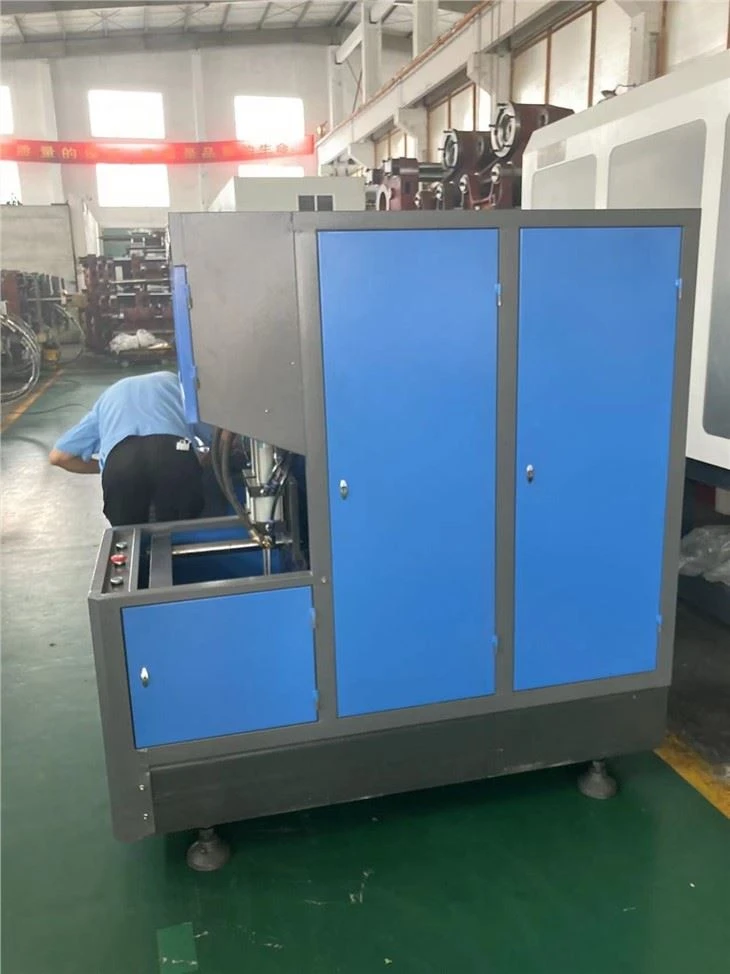

Screw - based injection systems are more common and offer better control over the injection process. They can provide a more consistent flow of molten plastic, resulting in more uniform products. Plunger - based systems, on the other hand, are simpler but may not offer the same level of precision. Consider the quality requirements of your products when choosing an injection system. A high - quality injection system can make a big difference in the final product quality.
Blowing System
The blowing system is what shapes the molten plastic into the desired product. It uses compressed air to inflate the plastic inside the mold. The efficiency and precision of the blowing system are important for getting well - formed products.
Look for a machine with a well - designed blowing system that can provide consistent air pressure and flow. The blowing time and pressure can be adjusted on most machines to suit different product requirements. If you're producing Cosmetic Bottle Blowing Machine products, for example, you'll need a blowing system that can create smooth and aesthetically pleasing bottles.
Control System
A modern injection blowing machine should have an advanced control system. This allows you to set and adjust various parameters such as injection speed, blowing time, temperature, and clamping force. A user - friendly control panel makes it easier for operators to operate the machine and make adjustments as needed.
Some control systems also offer features like data logging and monitoring, which can help you track production performance and identify any potential issues. Make sure the control system is intuitive and easy to understand, especially if your operators are not highly technical.
Energy Efficiency
Energy costs can be a significant part of your production expenses. That's why it's important to choose an energy - efficient injection blowing machine. Look for machines that use advanced technologies to reduce energy consumption without sacrificing performance.
Some machines have features like variable - frequency drives that adjust the motor speed according to the production requirements, saving energy during periods of low demand. Energy - efficient machines not only save you money in the long run but also contribute to a more sustainable production process.
Maintenance and Serviceability
Finally, consider the maintenance and serviceability of the machine. A machine that's easy to maintain will have a longer lifespan and lower overall operating costs. Check the accessibility of key components for cleaning, inspection, and replacement.
Also, find out if the manufacturer offers good after - sales service, including technical support and availability of spare parts. A reliable supplier should be able to provide prompt assistance in case of any issues with the machine.
In conclusion, buying an injection blowing machine is a significant investment, and understanding these technical parameters is essential to make an informed decision. Whether you're a small business looking to expand your production or a large - scale manufacturer aiming for high - quality products, choosing the right machine can have a big impact on your bottom line.
If you're interested in learning more about our injection blowing machines or have any questions regarding the technical parameters, feel free to reach out to us. We're here to help you find the perfect machine for your business needs. Let's start a conversation and see how we can work together to take your production to the next level.
References
- Plastics Technology Handbook, 3rd Edition
- Blow Molding Handbook, 2nd Edition


