

Hey there! I'm a supplier of Plastic Products Crushers, and today I wanna chat about the impact these machines have on the local environment.
First off, let's talk about what a Plastic Products Crusher actually does. It's a machine designed to break down plastic products into smaller pieces. You can check out more about it Plastic Products Crusher. These crushers are super handy in various industries, from manufacturing to recycling.
Reducing Plastic Waste in Landfills
One of the most significant impacts of a plastic products crusher on the local environment is its ability to reduce the amount of plastic waste going to landfills. Plastic takes hundreds of years to decompose, and landfills are already overflowing with this non - biodegradable material. When plastic products are crushed, they can be recycled more easily. Instead of piling up in landfills, the crushed plastic can be used as raw material for new plastic products.
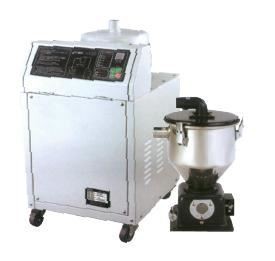
For example, a local plastic manufacturing company might use a crusher to break down defective or leftover plastic parts. These crushed pieces can then be fed into a Raw Materail Auto Loader and mixed with other materials to create new products. This not only saves space in landfills but also reduces the demand for virgin plastic, which is made from fossil fuels.
Energy Savings
Recycling plastic that has been crushed by a plastic products crusher also leads to energy savings. Producing plastic from virgin materials requires a significant amount of energy, including the extraction of fossil fuels and the manufacturing process. On the other hand, recycling crushed plastic uses less energy. The energy saved can be used for other important purposes in the local community, like powering homes or running local businesses.
Let's say a recycling facility in a small town uses a plastic products crusher. By recycling the crushed plastic, they can produce new plastic items with less energy input. This means that the local power grid doesn't have to work as hard to support the plastic production process, leading to overall energy savings in the area.
Reducing Pollution
Plastic waste in landfills and the environment can cause a lot of pollution. When plastic breaks down in the environment, it releases harmful chemicals and microplastics. Microplastics are tiny plastic particles that can end up in the soil, water, and air, and they can have a negative impact on wildlife and human health.
A plastic products crusher helps to reduce this pollution by facilitating the recycling process. When plastic is recycled instead of being left to break down in the environment, the release of harmful chemicals and microplastics is minimized. Additionally, since the demand for virgin plastic is reduced, there is less pollution associated with the extraction and manufacturing of new plastic.
For instance, in a coastal town, plastic waste often ends up in the ocean. A local recycling center with a plastic products crusher can collect plastic waste from the beaches and crush it for recycling. This helps to keep the ocean clean and protects the marine life from the harmful effects of plastic pollution.
Creating Jobs
The use of plastic products crushers can also have a positive impact on the local economy and environment in terms of job creation. Recycling facilities that use these crushers need workers to operate the machines, sort the plastic, and process the recycled materials. These jobs provide income for local residents and contribute to the economic development of the area.
Moreover, as the demand for recycled plastic increases, more businesses may start to focus on using recycled materials in their products. This can lead to the growth of the recycling industry in the local area, creating even more jobs and promoting a more sustainable economy.
Noise and Dust Pollution
However, it's not all sunshine and rainbows. Plastic products crushers can also have some negative impacts on the local environment. One of the main issues is noise pollution. These machines can be quite loud when they are operating, which can be a nuisance for nearby residents. To mitigate this, some crushers are designed with noise - reducing features, but it's still something to be aware of.
Another potential problem is dust pollution. When plastic is crushed, it can generate dust particles. If not properly controlled, these dust particles can end up in the air, which can be harmful to human health, especially for those with respiratory problems. Recycling facilities need to have proper ventilation and dust collection systems in place to minimize this issue.
Maintenance and Disposal of the Crusher
The maintenance and eventual disposal of the plastic products crusher also need to be considered. The machine contains various parts that may need to be replaced over time, and these parts can also contribute to waste if not properly managed. Additionally, when the crusher reaches the end of its life, it needs to be disposed of in an environmentally friendly way.
Recycling facilities should have a plan for the proper maintenance and disposal of their crushers to minimize their environmental impact. This could include recycling the parts of the crusher or donating it to a facility that can still use it.

Conclusion
Overall, the impact of a plastic products crusher on the local environment is mostly positive. It helps to reduce plastic waste in landfills, save energy, reduce pollution, and create jobs. However, there are also some negative aspects, like noise and dust pollution, and the need for proper maintenance and disposal.
If you're interested in learning more about our Plastic Products Crushers or other related equipment like Hopper Dryer, feel free to reach out to us. We're always happy to have a chat and discuss how our products can benefit your business and the local environment. Whether you're a small recycling facility or a large manufacturing company, we have the right solutions for you. Let's work together to make our local environment a cleaner and more sustainable place!
References
- EPA (Environmental Protection Agency). "Benefits of Recycling."
- National Geographic. "The Plastic Problem."
- Journal of Environmental Science and Technology. "Impact of Plastic Recycling on Energy Consumption and Pollution."


