

Hey there! As a supplier of Raw Material Hopper Dryers, I often get asked about the loading and unloading methods of these machines. In this blog post, I'm gonna break it down for you and explain how it all works.
Understanding the Raw Material Hopper Dryer
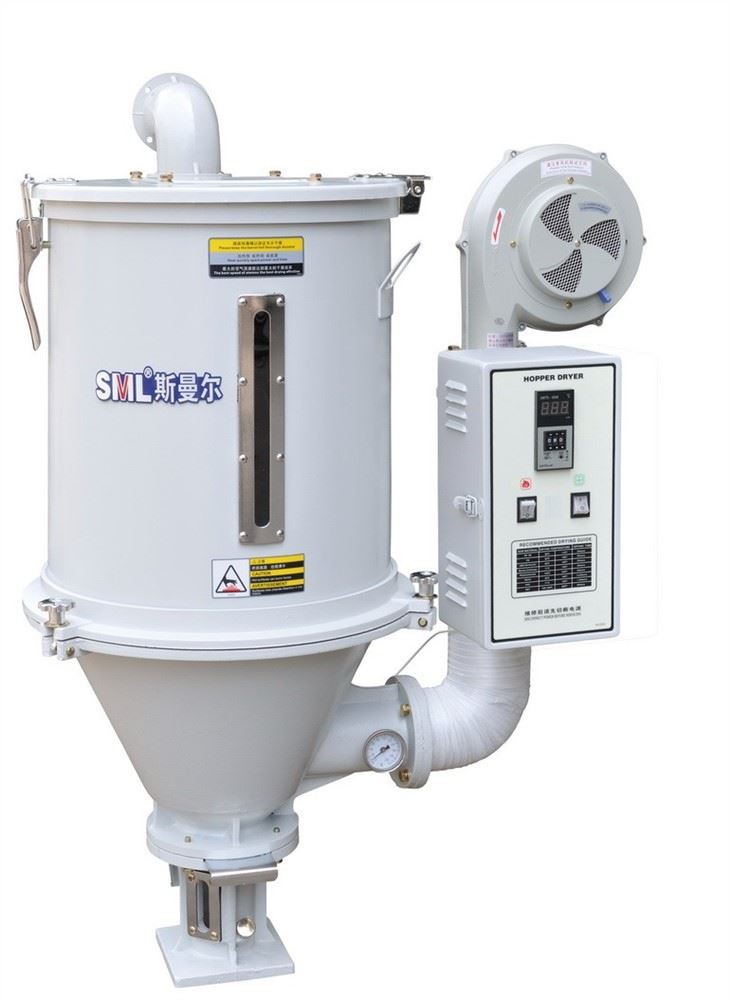
First things first, let's quickly go over what a Raw Material Hopper Dryer is. It's a key piece of equipment in the plastic processing industry. The main job of this dryer is to remove moisture from raw plastic materials before they are processed into various plastic products. A well - dried raw material ensures better quality of the final plastic products, like improved strength, better appearance, and fewer defects. You can check out more about these dryers on our Raw Material Hopper Dryer page.
Loading Methods
Manual Loading
Manual loading is probably the most straightforward method. It's commonly used in small - scale operations or in factories where the production volume isn't too high. All you need to do is use a shovel or a similar tool to scoop up the raw plastic materials and pour them into the hopper of the dryer.
The advantage of manual loading is that it doesn't require any additional equipment, which means lower costs. It's also very flexible. You can load the materials at your own pace and adjust the amount easily. However, it's a labor - intensive method. Workers have to stand near the dryer and keep loading the materials continuously, which can be tiring, especially during long - shift operations. And there's a risk of inaccurate measurement of the amount of materials being loaded, which might affect the drying process.
Conveyor Belt Loading
For medium to large - scale operations, conveyor belt loading is a popular choice. A conveyor belt is installed next to the hopper dryer. The raw materials are placed on one end of the conveyor belt, and the belt moves the materials towards the hopper of the dryer.
This method offers a more consistent and continuous supply of materials to the dryer. It reduces the need for manual labor, as workers only need to place the materials on the conveyor belt at the starting point. Also, it can handle a large volume of materials efficiently. But the initial investment for installing a conveyor belt system can be quite high. There are also maintenance costs involved, like replacing worn - out belts and lubricating the moving parts.
Vacuum Loading
Vacuum loading is a high - tech option. It uses a vacuum pump to create a negative pressure inside a pipeline. The raw materials are sucked from a storage container through the pipeline and into the hopper of the dryer.
One of the biggest advantages of vacuum loading is that it's a clean and dust - free method. Since the materials are transported through a closed pipeline, there's no chance of dust flying around, which is good for the working environment. It also allows for precise control of the amount of materials being loaded. You can set the vacuum pump to run for a specific time or suck a specific volume of materials. However, the vacuum loading system is complex and expensive. It requires professional installation and regular maintenance to ensure its proper functioning.
Unloading Methods
Gravity Unloading
Gravity unloading is the simplest way to unload the dried materials from the hopper dryer. Once the drying process is complete, the bottom valve of the hopper is opened, and the dried materials fall out due to gravity. They can be collected in a container placed below the hopper.
This method is very easy to implement. It doesn't require any additional power source or complex mechanisms. It's also fast, as the materials can be unloaded quickly. But there's a limitation. If the dried materials have a tendency to clump together, gravity unloading might not work effectively. The clumps could block the valve, and the materials might not fall out smoothly.
Screw Conveyor Unloading
A screw conveyor is often used for unloading when the materials need to be transported to a specific location or when gravity unloading isn't sufficient. The screw conveyor consists of a rotating screw inside a tube. When the screw rotates, it moves the dried materials along the tube and discharges them at the other end.

Screw conveyor unloading allows for better control of the flow rate of the materials. You can adjust the speed of the screw rotation to control how fast the materials are unloaded. It can also handle materials that are a bit sticky or have a tendency to clump. But similar to the conveyor belt loading system, the screw conveyor has a relatively high initial cost and maintenance requirements.
Pneumatic Unloading
Pneumatic unloading uses compressed air to transport the dried materials from the hopper dryer. The compressed air creates a high - speed air stream in a pipeline. The dried materials are entrained in this air stream and carried to the desired location.
This method is suitable for long - distance transportation of the dried materials. It can handle a large volume of materials quickly. And since it uses air as the transport medium, there's less wear and tear compared to mechanical conveyors. However, it requires a reliable source of compressed air, which means additional energy consumption. The pneumatic system also needs to be carefully designed to prevent blockages and ensure efficient operation.
Choosing the Right Loading and Unloading Methods
When choosing the loading and unloading methods for your Raw Material Hopper Dryer, there are several factors to consider. The production volume is a crucial one. If you have a high - volume production, you'll need a method that can handle large amounts of materials efficiently, like conveyor belt loading or vacuum loading.
The type of raw materials also matters. For example, if the materials are prone to clumping, you might need to avoid gravity unloading and choose a method like screw conveyor unloading instead.
Cost is another important factor. You need to balance the initial investment, operating costs, and maintenance costs. Small - scale businesses might prefer manual loading and gravity unloading to keep the costs down, while large - scale operations can afford to invest in more advanced systems.
Why Choose Our Raw Material Hopper Dryers?
At our company, we offer high - quality Raw Material Hopper Dryers. Our dryers are designed with the latest technology to ensure efficient and uniform drying of the raw materials. We also provide a wide range of options for loading and unloading systems, so you can choose the ones that best suit your needs.
Whether you're looking for a simple manual loading and gravity unloading setup or a high - tech vacuum loading and pneumatic unloading system, we've got you covered. Our team of experts can help you select the right combination of loading and unloading methods based on your production requirements and budget.
If you're interested in our Raw Material Hopper Dryers or want to learn more about the loading and unloading methods, don't hesitate to get in touch with us. We're always here to answer your questions and assist you in making the best decision for your business. You can also explore our other products like Hopper Dryer and Plastic Products Crusher on our website.
References
- "Plastics Processing Machinery Handbook" by James F. Carley
- "Industrial Drying Technology" by Arun S. Mujumdar


