

In the dynamic landscape of industrial manufacturing, the role of raw material auto loaders cannot be overstated. These machines are the unsung heroes, silently working behind the scenes to streamline the production process by automating the transfer of raw materials to processing equipment. As a leading supplier of Raw Materail Auto Loader, I am often asked about the power consumption of these vital pieces of equipment. In this blog post, I aim to provide a comprehensive understanding of the power consumption of raw material auto loaders, exploring the factors that influence it and offering insights into how to optimize energy use.
Understanding the Basics of Power Consumption
Before delving into the specifics of raw material auto loader power consumption, it's essential to grasp the fundamental concepts. Power consumption is measured in kilowatt-hours (kWh), which represents the amount of energy used over a period of time. In the context of industrial equipment, power consumption is a critical factor as it directly impacts operational costs and environmental sustainability.
The power consumption of a raw material auto loader depends on several key factors, including the machine's design, size, capacity, and the type of materials it handles. Additionally, the frequency of operation, the distance the materials need to be transported, and the efficiency of the motor and other components all play a role in determining how much energy the loader consumes.
Factors Influencing Power Consumption
Machine Design and Size
The design and size of a raw material auto loader have a significant impact on its power consumption. Larger loaders with higher capacities generally require more power to operate. This is because they need to move larger volumes of materials over greater distances, which demands more energy from the motor. Additionally, the design of the loader, including the type of conveyor system, the number of moving parts, and the overall mechanical efficiency, can affect power consumption. For example, loaders with more efficient conveyor systems that minimize friction and reduce the amount of energy wasted can consume less power compared to those with less efficient designs.
Material Characteristics
The type and characteristics of the raw materials being loaded also influence power consumption. Materials with different densities, particle sizes, and flow properties require different amounts of energy to be moved. For instance, heavy and dense materials may require more power to lift and transport compared to lighter, more free-flowing materials. Similarly, materials that are sticky or prone to bridging may require additional energy to break up and move through the loader.

Operating Conditions
The operating conditions of the raw material auto loader, such as the frequency of operation, the loading cycle time, and the distance the materials need to be transported, can significantly impact power consumption. Loaders that operate continuously or at high frequencies will consume more power compared to those that operate intermittently. Additionally, longer loading cycles and greater transport distances require more energy to move the materials from the source to the destination.
Motor Efficiency
The efficiency of the motor used in the raw material auto loader is another crucial factor in determining power consumption. Motors with higher efficiency ratings convert a greater percentage of the electrical energy they consume into mechanical energy, resulting in lower power consumption. When selecting a raw material auto loader, it's important to choose a model with a high-efficiency motor to minimize energy costs.
Measuring and Monitoring Power Consumption
To effectively manage the power consumption of a raw material auto loader, it's essential to measure and monitor energy use regularly. This can be done using energy monitoring devices, such as power meters, which can provide real-time data on the amount of energy the loader is consuming. By analyzing this data, operators can identify trends, detect any abnormal energy consumption patterns, and take appropriate measures to optimize energy use.
In addition to using energy monitoring devices, it's also important to keep detailed records of the loader's operating parameters, such as the number of loading cycles, the amount of materials loaded, and the operating time. This information can be used to calculate the energy consumption per unit of material loaded, which can help in comparing the energy efficiency of different loaders and identifying opportunities for improvement.
Strategies for Optimizing Power Consumption
Selecting the Right Loader
One of the most effective ways to optimize power consumption is to select the right raw material auto loader for the specific application. When choosing a loader, it's important to consider factors such as the type and volume of materials to be loaded, the loading distance, and the required loading rate. By selecting a loader that is appropriately sized and designed for the application, operators can ensure that the machine operates efficiently and consumes less power.
Regular Maintenance
Regular maintenance is essential for ensuring the optimal performance and energy efficiency of a raw material auto loader. This includes tasks such as lubricating moving parts, checking and tightening belts and chains, and inspecting the motor and other components for signs of wear or damage. By keeping the loader in good working condition, operators can minimize friction, reduce energy losses, and extend the lifespan of the machine.
Optimizing Operating Parameters
Another way to optimize power consumption is to adjust the operating parameters of the raw material auto loader. This may include reducing the loading cycle time, adjusting the conveyor speed, and minimizing the distance the materials need to be transported. By optimizing these parameters, operators can reduce the amount of energy required to move the materials and improve the overall efficiency of the loading process.
Using Energy-Efficient Components
In addition to selecting a loader with a high-efficiency motor, operators can also consider using other energy-efficient components, such as variable frequency drives (VFDs). VFDs allow the motor to operate at different speeds depending on the load requirements, which can significantly reduce power consumption. Additionally, using energy-efficient lighting and control systems can also help in reducing the overall energy consumption of the loader.
The Role of Auxiliary Equipment
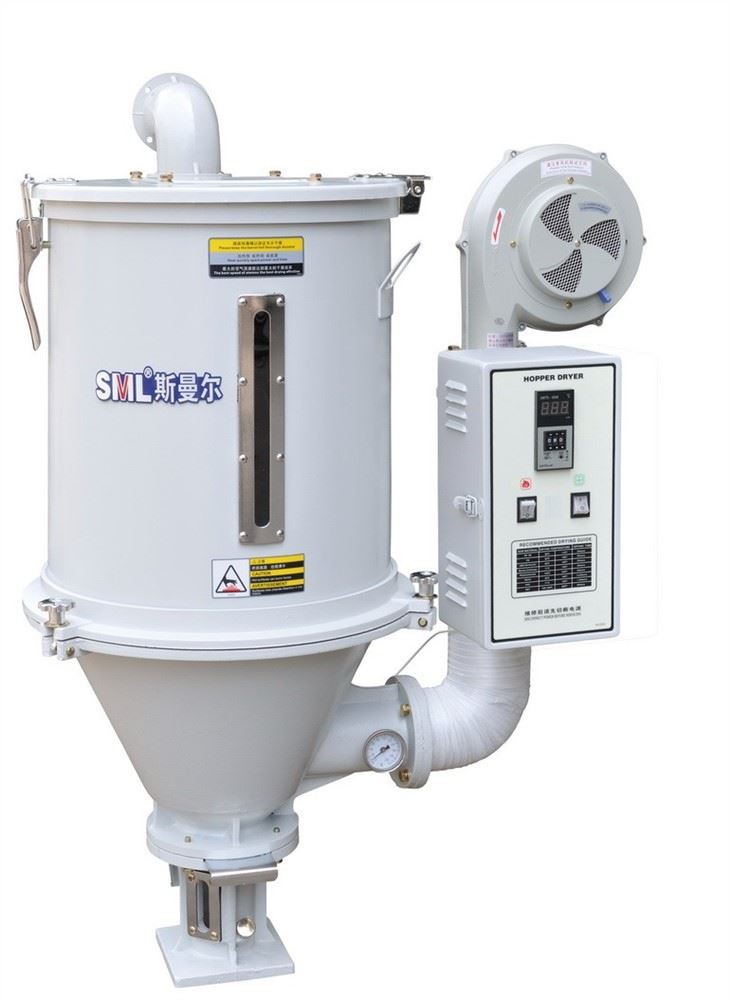
In some cases, the power consumption of a raw material auto loader can be influenced by the use of auxiliary equipment, such as Air Chiller and Hopper Dryer. These devices are often used in conjunction with raw material auto loaders to condition the materials before they are loaded into the processing equipment. While these auxiliary devices can enhance the quality of the materials and improve the overall production process, they also consume additional energy.
To minimize the impact of auxiliary equipment on power consumption, it's important to select energy-efficient models and to use them only when necessary. Additionally, operators can optimize the operation of these devices by adjusting the temperature, humidity, and other settings to match the specific requirements of the materials being processed.
Conclusion
In conclusion, the power consumption of a raw material auto loader is influenced by a variety of factors, including the machine's design, size, capacity, the type of materials it handles, and the operating conditions. By understanding these factors and implementing strategies to optimize energy use, operators can reduce the power consumption of their loaders, lower operational costs, and improve the environmental sustainability of their manufacturing processes.
As a supplier of raw material auto loaders, we are committed to providing our customers with high-quality, energy-efficient equipment. Our loaders are designed with the latest technology and innovative features to minimize power consumption while maximizing performance. If you are interested in learning more about our raw material auto loaders or have any questions about power consumption, please do not hesitate to contact us. We would be delighted to discuss your specific requirements and help you find the right solution for your business.
References
- "Industrial Energy Efficiency Handbook." International Energy Agency.
- "Motor Efficiency and Power Quality." Electric Power Research Institute.
- "Energy Management in Manufacturing." American Society of Mechanical Engineers.


