

In the plastic recycling and processing industry, plastic products crushers play a crucial role. They are used to break down various plastic materials into smaller pieces, facilitating further processing such as melting and re - molding. A key component of a plastic products crusher is its motor, which provides the power necessary for the crushing operation. As a supplier of plastic products crushers, I'd like to delve into the types of motors commonly used in these machines.
Types of Motors Used in Plastic Products Crushers
1. AC Induction Motors
AC induction motors are perhaps the most widely used type of motor in plastic products crushers. These motors are known for their simplicity, reliability, and relatively low cost.
Working Principle
The basic principle of an AC induction motor involves the interaction between a rotating magnetic field produced by the stator (the stationary part of the motor) and the induced current in the rotor (the rotating part). When an alternating current is applied to the stator windings, it creates a rotating magnetic field. This magnetic field induces an electric current in the rotor, which in turn creates its own magnetic field. The interaction between the stator's and rotor's magnetic fields causes the rotor to rotate.
Advantages for Crushers
- High Torque: Plastic products crushers often require high starting torque to break through the initial resistance of the plastic materials. AC induction motors can provide this high starting torque, enabling the crusher to quickly start the crushing process even with large or tough plastic items.
- Robustness: They are built to withstand the harsh operating conditions in a crusher environment. The absence of brushes (in squirrel - cage induction motors, the most common type used in crushers) reduces the need for frequent maintenance, and they can handle the vibrations and mechanical stresses associated with the crushing operation.
- Energy Efficiency: Modern AC induction motors are designed to be energy - efficient, which is an important consideration for long - term operation. This helps in reducing the overall operating cost of the plastic products crusher.
However, AC induction motors also have some limitations. They are not as easily adjustable in terms of speed as some other types of motors. Changing the speed of an AC induction motor typically requires complex control systems such as variable frequency drives (VFDs).
2. DC Motors
DC motors were once more commonly used in industrial applications, and they still find a place in some plastic products crushers, especially in older models or in applications where precise speed control is required.

Working Principle
A DC motor operates based on the principle of the interaction between a magnetic field and an electric current - carrying conductor. When a direct current is passed through the armature (the rotating part) of the motor, it creates a magnetic field. This magnetic field interacts with the magnetic field of the stator, causing the armature to rotate.
Advantages for Crushers
- Precise Speed Control: One of the main advantages of DC motors is their ability to provide precise speed control. In a plastic products crusher, different types of plastic materials may require different crushing speeds. DC motors can be easily adjusted to achieve the optimal speed for a particular type of plastic, resulting in more efficient crushing and better - quality output.
- Good Starting Characteristics: Similar to AC induction motors, DC motors can provide high starting torque, which is essential for the initial crushing of plastic products.
On the other hand, DC motors have some drawbacks. They require a constant supply of direct current, which often means the use of a rectifier to convert AC power to DC. The brushes in DC motors also wear out over time, requiring regular maintenance and replacement.
3. Servo Motors
Servo motors are becoming increasingly popular in high - end plastic products crushers, especially those used in applications where high precision and automation are required.
Working Principle
A servo motor consists of a motor, a feedback device (such as an encoder), and a control unit. The control unit receives a command signal indicating the desired position, speed, or torque. The feedback device continuously monitors the actual position, speed, or torque of the motor and sends this information back to the control unit. The control unit then adjusts the motor's operation to match the desired values.
Advantages for Crushers
- High Precision: In plastic recycling, there may be a need to crush plastic products into very specific sizes. Servo motors can provide the high level of precision required for this task. They can accurately control the speed and position of the crusher blades, ensuring consistent and accurate crushing results.
- Automation Compatibility: Servo motors are well - suited for automated plastic products crushers. They can be easily integrated into a larger automation system, allowing for remote control, monitoring, and adjustment of the crushing process.
However, servo motors are relatively expensive compared to AC induction and DC motors. They also require more complex control systems and may be more difficult to troubleshoot in case of a malfunction.
Considerations When Choosing a Motor for a Plastic Products Crusher
As a supplier of Plastic Products Crushers, I understand that choosing the right motor for a crusher depends on several factors.
1. Plastic Material Type
Different plastic materials have different physical properties. For example, soft plastics like polyethylene may require less force to crush compared to hard plastics like polycarbonate. If the crusher is mainly used for soft plastics, a motor with a lower power rating may be sufficient. However, for hard plastics, a motor with higher torque and power is needed.
2. Crushing Capacity
The amount of plastic material that the crusher is expected to process per hour also influences the motor selection. A high - capacity crusher will need a more powerful motor to handle the continuous flow of plastic products.
3. Speed Requirements
If the plastic products need to be crushed at a specific speed for optimal results, the motor should be able to provide the required speed range. As mentioned earlier, some motors like DC and servo motors offer better speed control than AC induction motors.
4. Cost and Maintenance
The initial cost of the motor, as well as the long - term maintenance cost, are important considerations. AC induction motors are generally more cost - effective in terms of both purchase price and maintenance, while servo motors, although more precise, are more expensive to buy and maintain.
Related Equipment in the Plastic Processing Industry
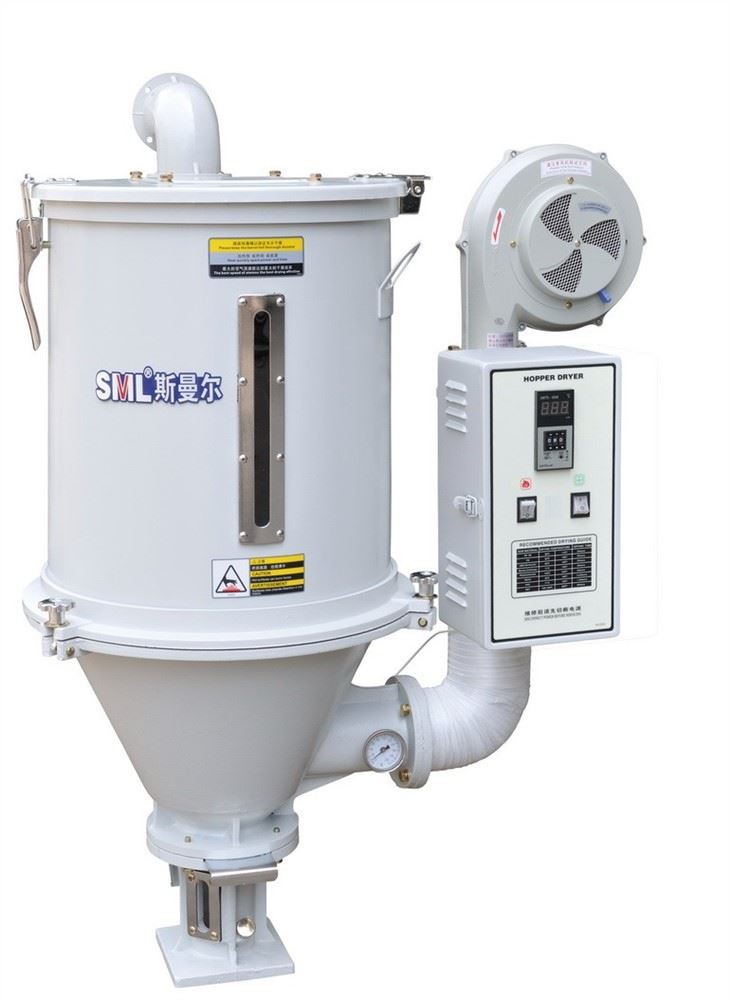
In addition to plastic products crushers, other equipment is also used in the plastic processing and recycling industry. One such important piece of equipment is the Hopper Dryer. A hopper dryer is used to remove moisture from plastic granules before they are processed further. Moisture in plastic can cause defects in the final product, so proper drying is crucial. There are also Hopper Dryer factories that produce these dryers with different specifications to meet the diverse needs of the plastic processing industry.
If you are in the market for a plastic products crusher or have any questions about the motors used in them, I encourage you to reach out for a detailed discussion. Whether you need a high - capacity crusher for industrial - scale recycling or a smaller unit for a workshop, we can provide the right solution tailored to your specific requirements. Contact us to start the procurement negotiation and find the perfect plastic products crusher for your business.
References
- "Electric Motors and Drives: Fundamentals, Types, and Applications" by Austin Hughes and Bill Drury.
- "Plastic Recycling Technology" by Thomas E. Graedel and Braden R. Allenby.


