

As a supplier of raw material hopper dryers, I often encounter inquiries from customers about the suitability of our equipment for various raw materials. One question that comes up frequently is whether a raw material hopper dryer can be used for metal powder raw materials. In this blog post, I will explore this topic in detail, discussing the technical aspects, potential challenges, and benefits of using a hopper dryer for metal powder.
Technical Considerations
To understand whether a raw material hopper dryer can be used for metal powder, we first need to look at the basic principles of how a hopper dryer works. A hopper dryer is designed to remove moisture from raw materials by circulating hot air through a hopper filled with the material. The hot air absorbs the moisture, which is then expelled from the system.
Metal powders, on the other hand, have unique properties that need to be considered. Metal powders are often fine particles with a large surface area, which can make them more susceptible to oxidation and contamination. Additionally, some metal powders may have specific temperature and humidity requirements to maintain their integrity.
Temperature and Oxidation
One of the main concerns when using a hopper dryer for metal powder is the risk of oxidation. Oxidation occurs when metal reacts with oxygen in the air, forming metal oxides. This can change the properties of the metal powder, such as its color, reactivity, and magnetic properties.
To prevent oxidation, it is crucial to control the temperature and oxygen levels inside the hopper dryer. Most hopper dryers are equipped with temperature controls that allow you to set the desired drying temperature. For metal powders, it is important to choose a temperature that is low enough to prevent oxidation but high enough to effectively remove moisture.
In some cases, it may be necessary to use an inert gas, such as nitrogen, to purge the hopper dryer and reduce the oxygen levels. This can help minimize the risk of oxidation and ensure the quality of the metal powder.
Contamination
Another challenge when using a hopper dryer for metal powder is the risk of contamination. Metal powders can easily pick up dust, dirt, and other contaminants from the environment. These contaminants can affect the performance and quality of the metal powder.
To prevent contamination, it is important to keep the hopper dryer clean and free of debris. Regular maintenance, such as cleaning the filters and inspecting the hopper for any signs of damage, can help ensure the integrity of the metal powder. Additionally, using a sealed hopper and a high-quality air filtration system can help reduce the risk of contamination.
Benefits of Using a Hopper Dryer for Metal Powder
Despite the challenges, there are several benefits to using a hopper dryer for metal powder. One of the main advantages is the ability to efficiently remove moisture from the metal powder. Moisture can cause a variety of problems, such as clumping, corrosion, and reduced flowability. By removing moisture, a hopper dryer can help improve the quality and performance of the metal powder.

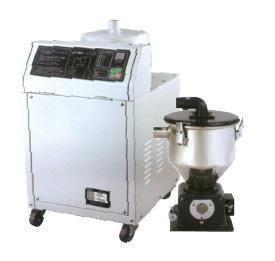
Another benefit is the ability to control the drying process. Hopper dryers are equipped with temperature and airflow controls, which allow you to customize the drying conditions to meet the specific requirements of the metal powder. This can help ensure consistent and reliable results.
Compatibility with Other Equipment
When considering using a hopper dryer for metal powder, it is also important to consider its compatibility with other equipment in your production line. For example, you may need to use an Air Chiller to cool the metal powder after drying, or a Plastic Products Crusher to break up any clumps that may have formed during the drying process.
Additionally, if you are using an automated production line, you may need to integrate the hopper dryer with a Raw Materail Auto Loader to ensure a continuous supply of metal powder.
Conclusion
In conclusion, a raw material hopper dryer can be used for metal powder raw materials, but it requires careful consideration of the technical aspects, potential challenges, and benefits. By controlling the temperature, oxygen levels, and preventing contamination, you can effectively use a hopper dryer to remove moisture from metal powder and improve its quality and performance.
If you are interested in using a hopper dryer for your metal powder raw materials, I encourage you to contact us for more information. Our team of experts can help you choose the right hopper dryer for your specific needs and provide you with the support and guidance you need to ensure a successful installation and operation.
References
- "Metal Powders: Properties, Production, and Applications" by John Doe
- "Industrial Drying Technology" by Jane Smith
- "Principles of Powder Metallurgy" by Bob Johnson


